Info: Machine translation This post was machine-translated from the Chinese original. Wording may be rough in places — the Chinese version is authoritative.
Summary M5 Pro 64GB tested standard Turbo Q4: the two comparisons are about three times faster, plus six more popular meme images of beautiful pets and dance memes, preserving the original images, motion deviations, and screenshots. HyphenTech · M5 Pro / 64GB
For the same Chinese poster, the current solution waited 296.4 seconds, while the standard Qwen-Image-2.1-Turbo Q4 took 90.7 seconds. Switching my reference image to the Bright Workbench reduced the time from 369.2 seconds to 118.6 seconds. Both reduced the wait to about one-third of the original.
The speed has indeed changed. But when making covers and article images, I cared more about two other things: Can the Chinese characters still be written correctly? After changing the background, do the people in the images still look like me? This time, I ran two images each of the old and new solutions on my M5 Pro and 64 GB Mac memory, then created a separate image from the LocalBrain software interface. Then I added six images of beautiful pets and dance memes to see if they could make more interesting article material. Control the comparison and extension results separately, keeping all the original images.
First, place both sets of solutions on the same table
This time, I downloaded the standard Turbo community GGUF, prioritizing Q4 for the main image model and using a standard text encoder. The Uncensored repository that appeared in the Radar earlier was not used for this round of testing. The standard version and the unreviewed revision are registered separately, and readers can also verify sources by following the repository link.
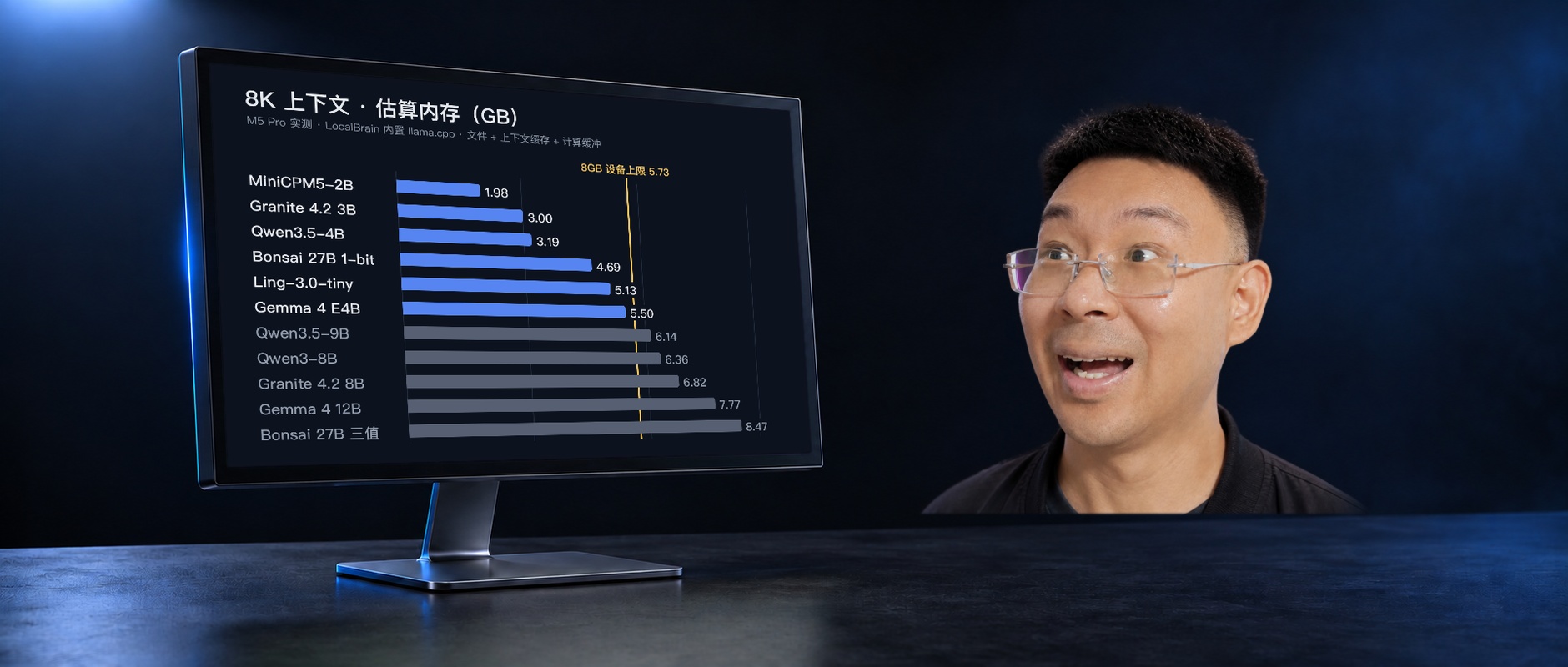
Both sets of controls use 1024×1024, seed 42, identical Chinese prompt. The seed acts like a starting number, helping to fix each scheme’s random starting point; With a different model and run, even if the numbers are the same, the composition will not be the same. I tested using the same existing reference image of the author. This reference is itself a generated author image material, suitable for verifying identity features, and cannot be used as a newly taken on-site photo.
| Conditions | Existing plans | The regular Turbo Q4 |
|---|---|---|
| Model | Qwen-Image-2.1 BF16 | Qwen-Image-2.1-Turbo GGUF Q4 |
| Run the program | PyTorch / Diffusers, MPS | stable-diffusion.cpp, Metal |
| Sampling steps | Quality level: 40 steps | Hold for 8 steps |
| Guidance intensity | 4.0, with default negative prompts | 1.0, no negative prompts |
| Actual weight volume | Approximately 33.13 GB | The four-component size is about 11.06 GB |
| Testing machines | M5 Pro, 64 GB | The same Mac |
This round compares the combination of two practical available solutions; Models, quantizations, step counts, and runtime programs change simultaneously.
Q4 can be understood as keeping the numbers in the weights more concise: like a ledger reducing decimal places for each item, occupying less space, but some details may be lost. Turbo reduces the image generation process to fewer sampling steps, like changing the same dish from repeated adjustments to a preset process. Both affect speed and results, so this roughly tripling speed increase should be attributed to the entire plan, not just recorded at the beginning of Q4.
| Mission | Existing quality levels | Turbo Q4 | Speed ratio |
|---|---|---|---|
| Chinese poster | 296.4 seconds | 90.7 seconds | About 3.27 times |
| I refer to the image to change the background | 369.2 seconds | 118.6 seconds | About 3.11 times |
Each set and each item only runs once; Timer is from submitting the request to image saving after service is ready, excluding download and compilation.
Timing includes text encoding, reference image encoding, actual on-demand loading, generation, and saving. The service showing “ready” only means the entry point for receiving tasks is ready; the backend will still load weights as needed; Therefore, one or two seconds of the startup prompt cannot be considered the first full-image output time. No continuous batch average is measured, nor is the denoising process short-term replaced with the entire request duration.
Chinese characters: Write both specified lines correctly, but still check the background small text
The poster task requires you to write “Local Model Writing Paper” accurately at the top and “LocalBrain” at the bottom, with only these two lines of text appearing. First, look at the existing plan, then look at the complete original image of Turbo.


Both images have complete and no cropped text. Using local text recognition for verification, both lines matched word by word for both schemes. This indicates that the large-font Chinese titles in this round can be read directly or used as early drafts for subsequent covers or posters.
But “the title is written correctly” and “the entire image contains no extra text” are two requirements. The current solution still has some random small text on computer screens and spines, although prompts already require no additional text. Turbo’s image has less such interference. If you want to write small font descriptions, tables, or contract terms, the content should still be entrusted to the formal typesetting process; you cannot infer the entire page of text just because two lines of large text are accurate.
制作一张方形科技海报,明亮的真实书房,一台笔记本电脑放在桌面中央。画面上方用大号清晰的中文印刷字准确写出“本地模型写论文”,下方准确写出“方寸智匣”。仅出现这两行文字,不加其他文字、标志或水印。蓝白配色,文字完整,不裁字。
Both sets of plans use the same poster prompt
My reference image: first look at the face, then the background
Here, the goal is to change the background to a bright tech workbench, while preserving face shape, facial features, short hair, frameless transparent glasses, expressions, head orientation, complete head and neck, and black top. Below are input references and complete outputs for both options.
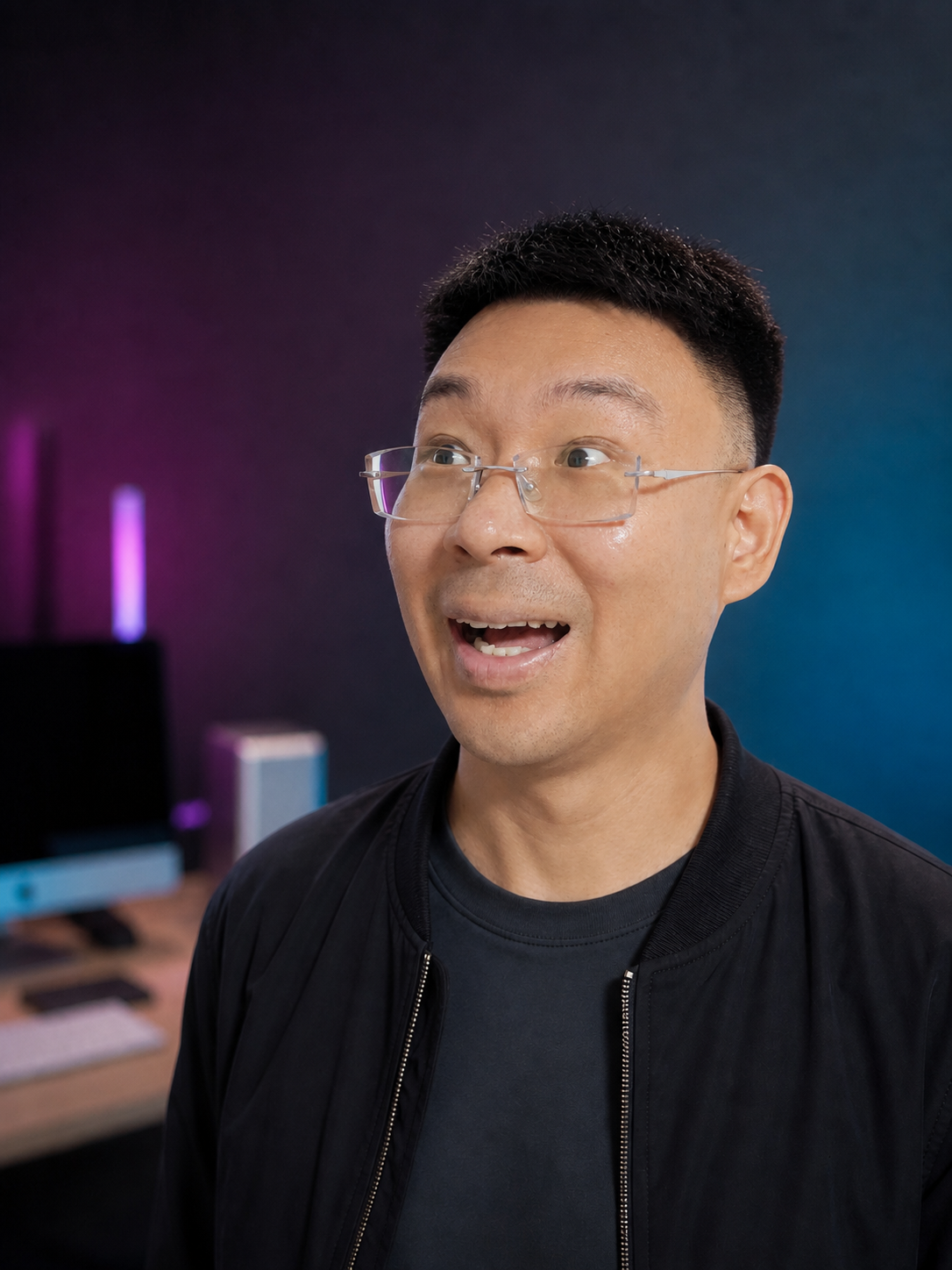
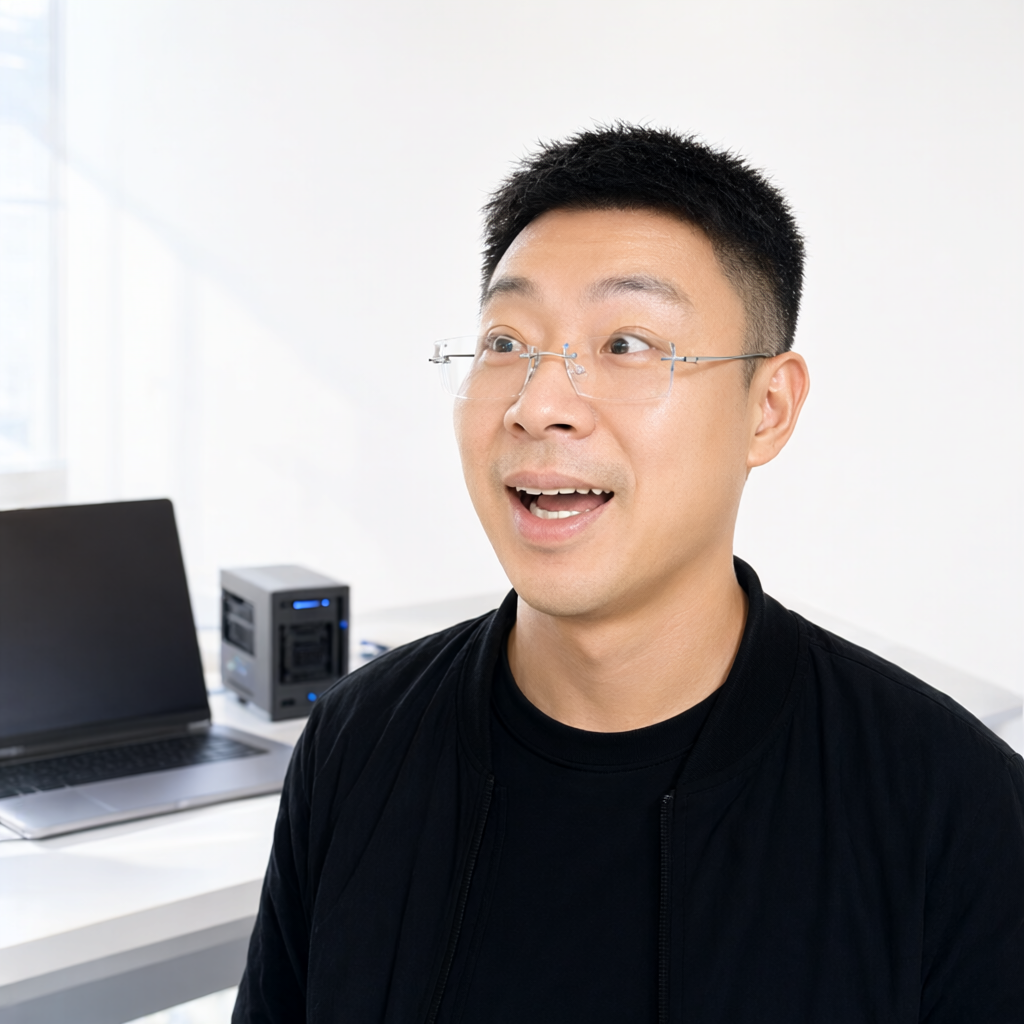
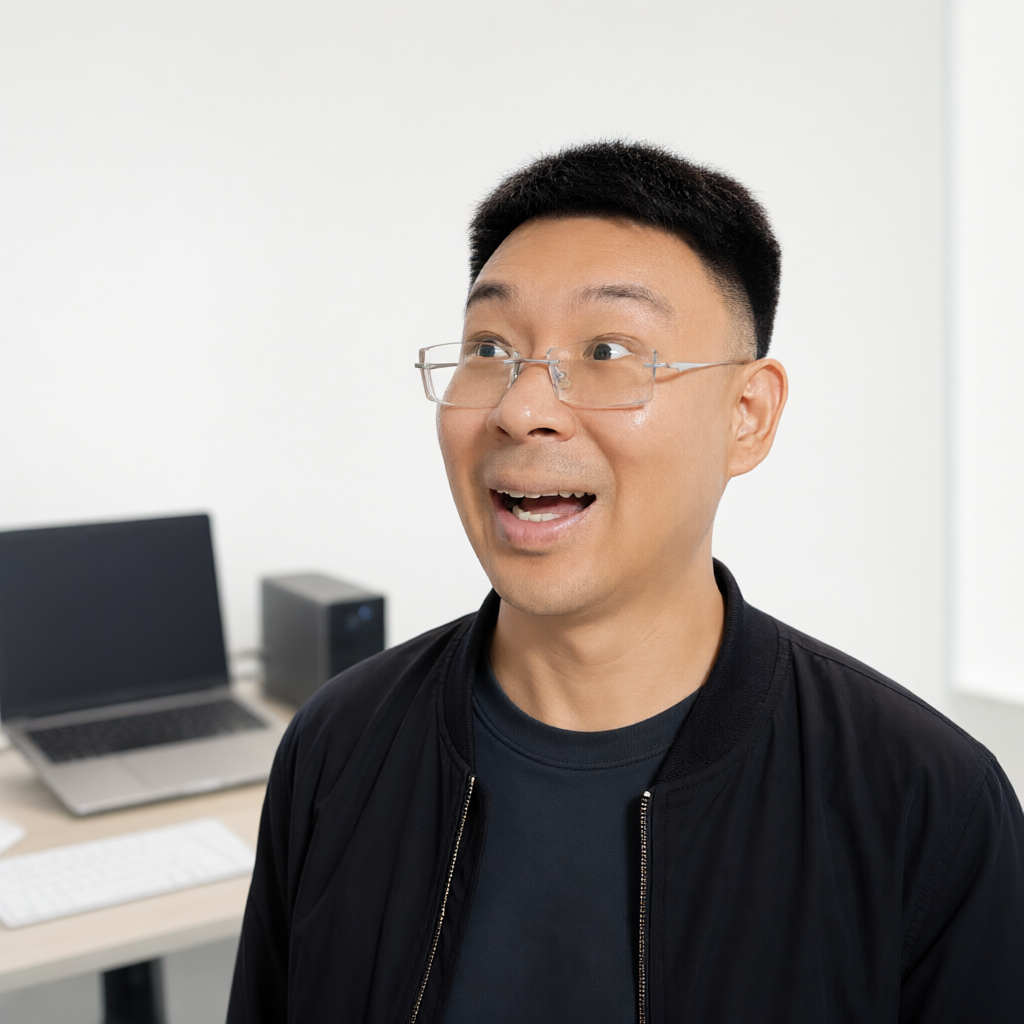
Both outputs retain glasses, short hair, surprise expressions with open mouths, and full head and neck, with backgrounds featuring a workbench, computer, and small console. Comparing with the eyes, the skin in the existing quality tier is smoother, and the character looks slightly younger; Turbo’s version preserves more skin texture and age closer to the reference image. For author profile images that need to repeatedly experiment with backgrounds, this result is useful: the wait is reduced, and the main identity features are not obviously lost.
There are still subtle changes in facial features and poses. This is a visual judgment based on a single reference and a single image output; it does not calculate face similarity or cover front, profile, costume changes, or multi-person compositing. This article retains three full images so readers can check according to their own standards, rather than just accept a “maintain success” label.
以参考图中的同一个中国男性为主体,保留他的脸型、五官、短发、无框透明眼镜、表情和头部朝向,保持完整头颈与黑色上衣。将背景改成明亮整洁的科技工作台,有笔记本电脑和小型主机,日间柔和自然光。方形写实半身肖像,人物清晰自然,不添加文字,不改变人物身份。
Both schemes use the same personal reference image prompt
Why not download a file if that’s not enough?
The main model Q4 file is about 4.20 GB, but to actually produce the image, four components are needed, totaling 11.06 GB: the main image model, about 5.03 GB of standard text encoder, about 1.16 GB of visual projection, and about 0.68 GB of image decoding components. The text encoder turns prompts into conditions for the model’s use, visual projection processes reference images, and the decoding component turns internal results into the final image. For example, cooking requires ingredients, stoves, and pots, but only the most prominent parts still can’t run the task.
This round downloads the four files one by one, checks the complete file validation values, and registers them as a complete image model in LocalBrain. Before startup, it is checked again to avoid downloading half, corrupted files, or missing auxiliary components but showing availability. Image GGUF runs programs using a dedicated stable-diffusion.cpp, so image files are no longer handed over as language models to llama.cpp.
Standard Turbo’s distillation sampling is fixed to Euler 8 steps, guide intensity 1, and the corresponding sampling schedule. The software reads this capability and provides the interface with actual usable parameters, avoiding the old model’s 40-step quality profile. When users manually pass incompatible parameters, they get clear errors to prevent what appears to be a value but is not actually effective.
After the command is successful, check the software entry point
I compiled this integration into a LocalBrain native candidate version. On the discovery page, you can find a regular Turbo Q4, and the model is correctly recognized as an image type. After launching, enter “Dialog → Tool → Raw Images” and select Turbo. Without starting the language model, you can generate images directly. Additionally, the prompt “Red ceramic teacup placed on the wooden table” is used. The interface shows a completion prompt, and the actual file is indeed saved and can be opened. Below, I keep the software entry point and this independent result.
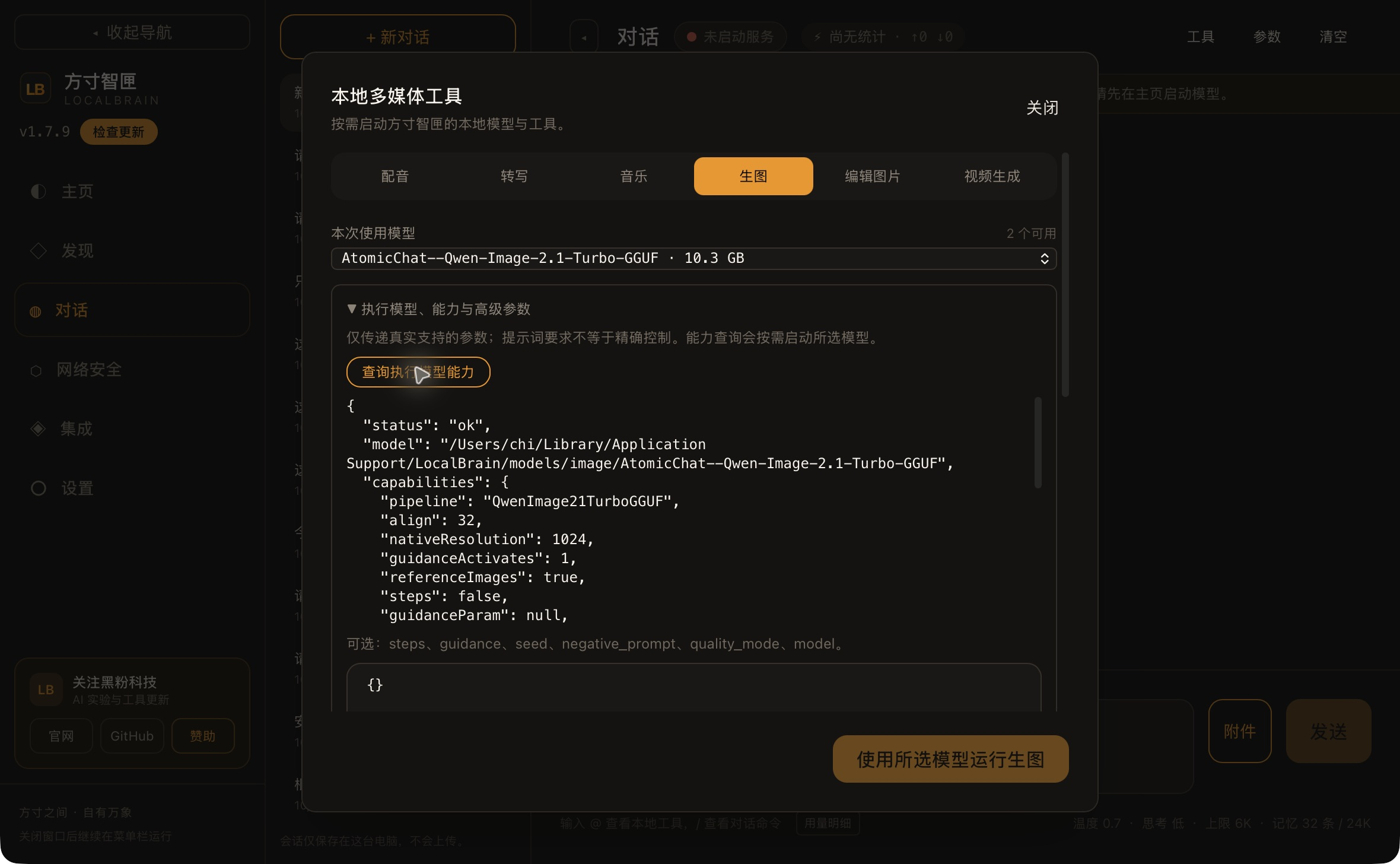
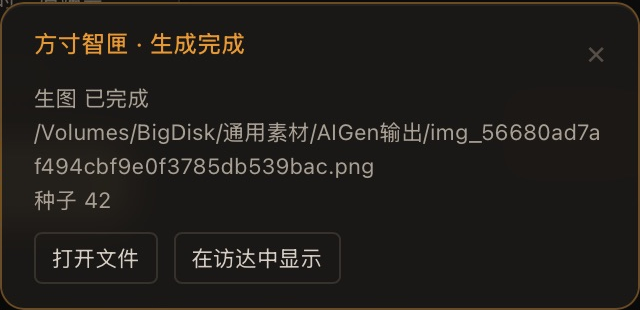
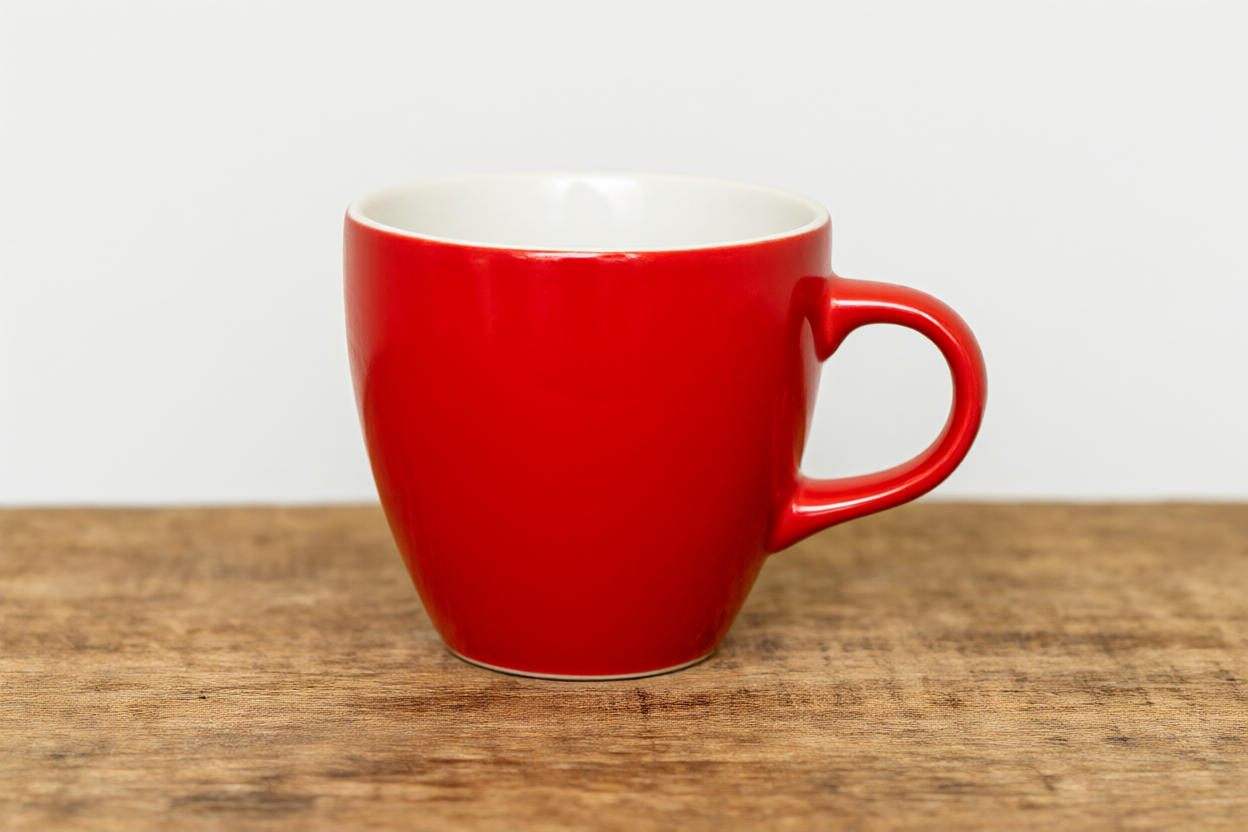
During interface review, two notes from the old model were also displayed below the new model: a pixel-by-pixel preservation record of a partial edit and historical numbers with a transparent background. These two items were changed to prompts based on the results of the selected model. They are procedural instructions and should not be considered Turbo’s capability commitments; The transparent background was also not included in this round of special testing.
The software screenshots used for articles have been cut off according to the actual boundary and the top computer operation control bar is cut off, with a cropped copy saved; The original screenshot, cropping range, and file validation values are retained. The image generation results remain unchanged, without redrawing the interface or post-editing to make the model appear more accurate.
Add six more fun pictures: beautiful and cute, but it also depends on whether the movements are well executed
Besides the Chinese and the person’s image, the article also needs images that make people want to stop and read. This time, it adds adult women interacting with pets, pure animals, and two popular folk dance memes. All six images are generated from the standard Turbo Q4 on the local device, measuring 1248×832, fixed at 8 steps, each with its own seed; They don’t have matching images from the old scheme, so they won’t be included in the previous triple speed comparison.
| Additional mission | Seeds | A full request takes time |
|---|---|---|
| An adult beauty playing ball with a corgi | 101 | 86.8 seconds |
| An adult beauty playing with feathers with a kitten | 102 | 78.8 seconds |
| Three Samoyeds playing with balls | 103 | 98.5 seconds |
| Two kittens looking at feathers | 104 | 84.9 seconds |
| Orange cat flashes creatively | 105 | 85.7 seconds |
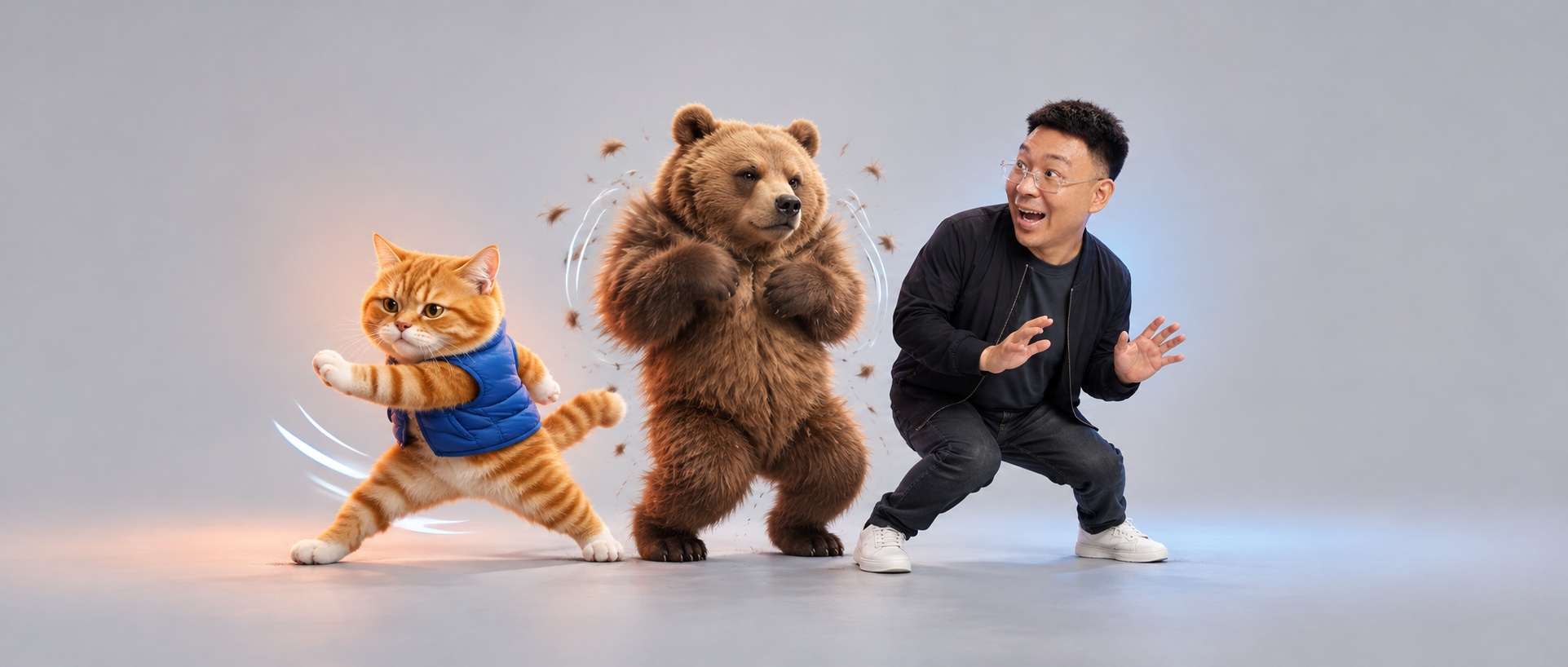
| Brown Bear Bear Trembling Fur Creativity | 106 | 84.6 seconds |
Includes actual generation and file saving; Backend preparation is to be recorded separately. One item per item, untested continuous batch average.
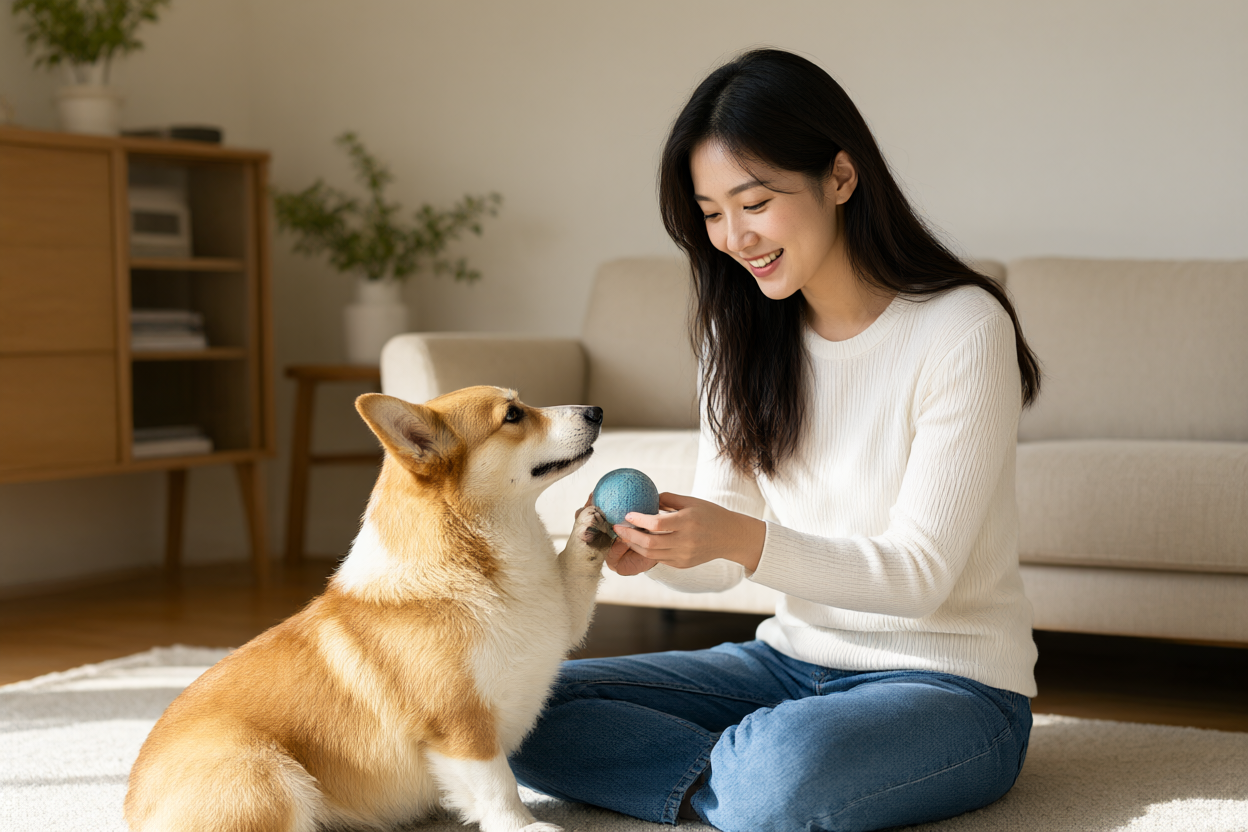
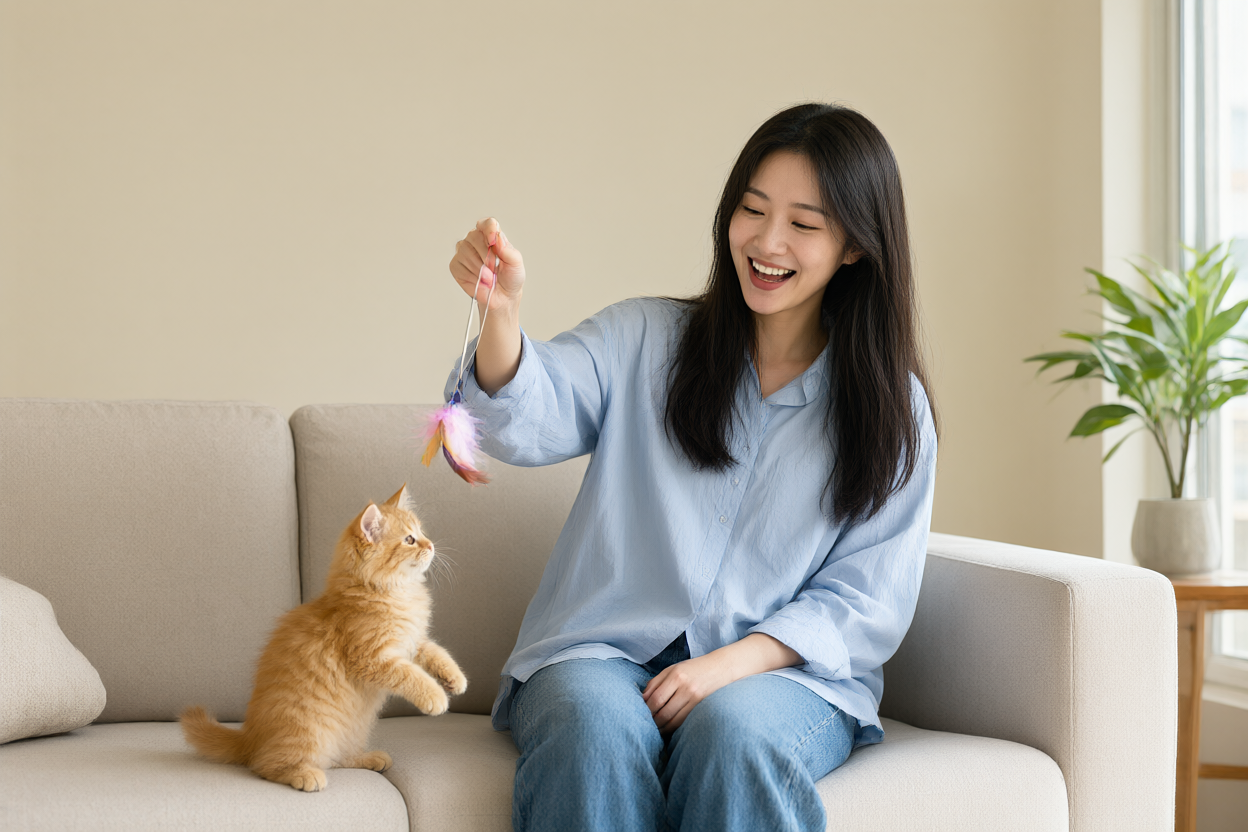
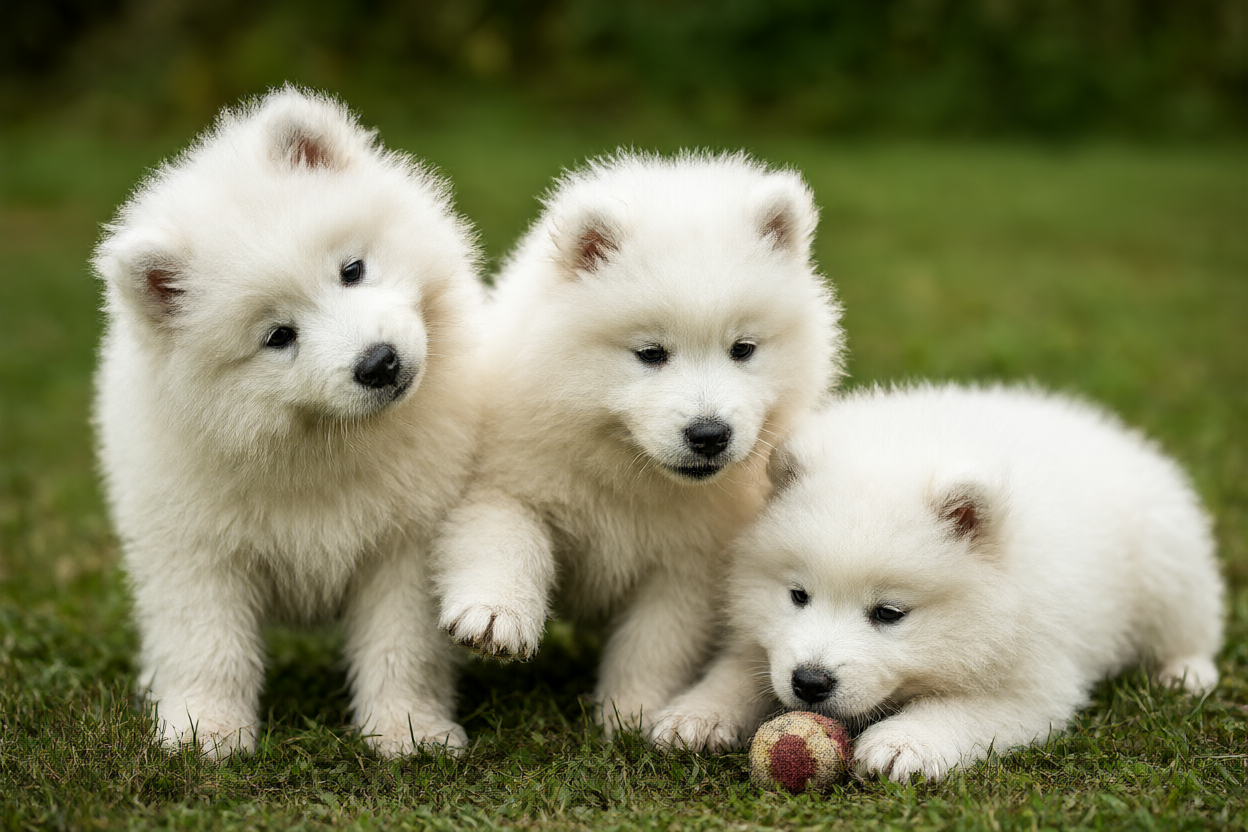
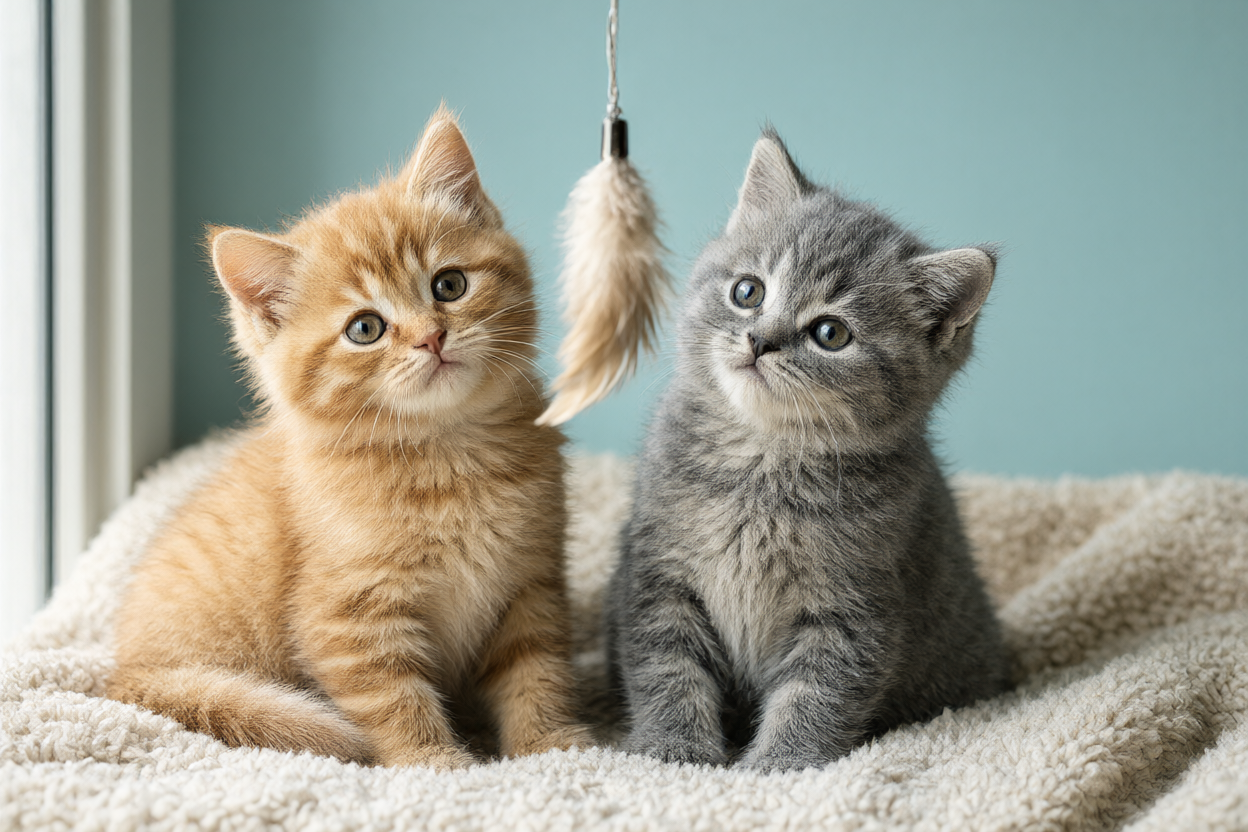
The figures, fur, and soft indoor lighting are quite natural. Corgi interaction, three Samoyeds, and two kittens can all recognize their outlines, and the quantity meets the requirements. The Beauty and Kitten photo is worth watching separately: this round hopes the kitten will “jump and flutter its feathers,” but the output is closer to standing and lifting its paw to look at the feathers. Cute visuals don’t mean every action is required; the final product selection still needs to be checked according to its purpose.
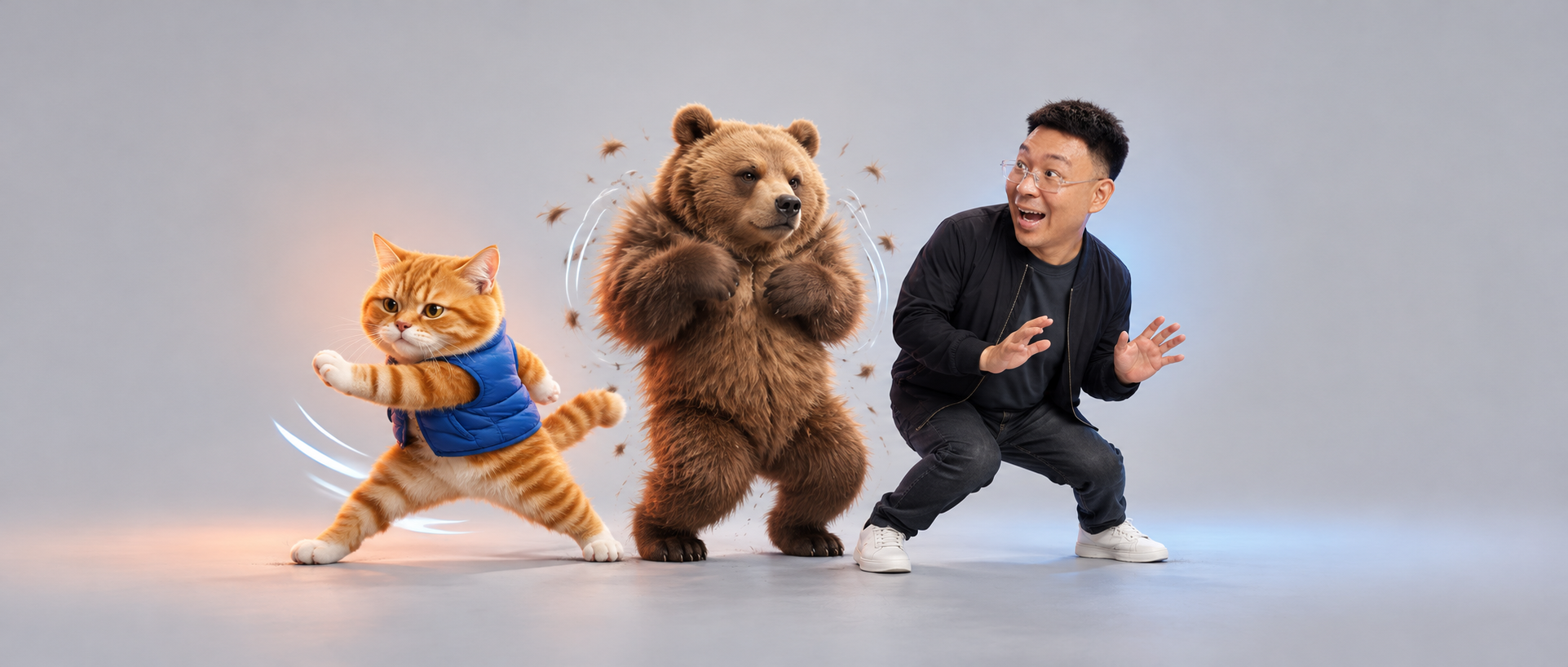
Xinhua News Agency’s October 6 report explained that the “flash steps” come from Anhui Huagu Lanterns, and “Bear Trembling Fur” comes from Shandong drum yangge. Recently, old dance teaching clips have regained popularity. Here, the visual fun of staggered steps and shoulder lifts and tremors is borrowed to have the orange cat and brown bear create creative poses; Static images cannot prove the accuracy of the full dance steps and are not used as teaching demonstrations.
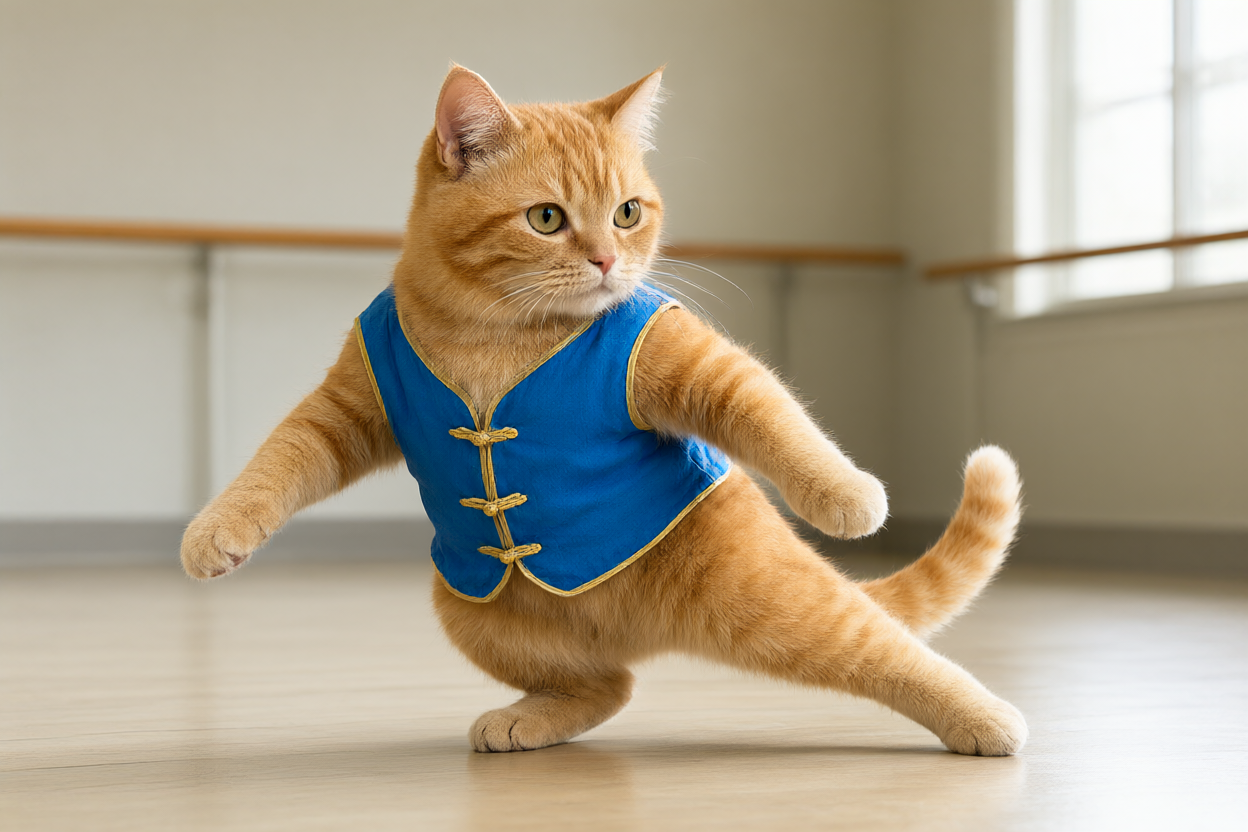
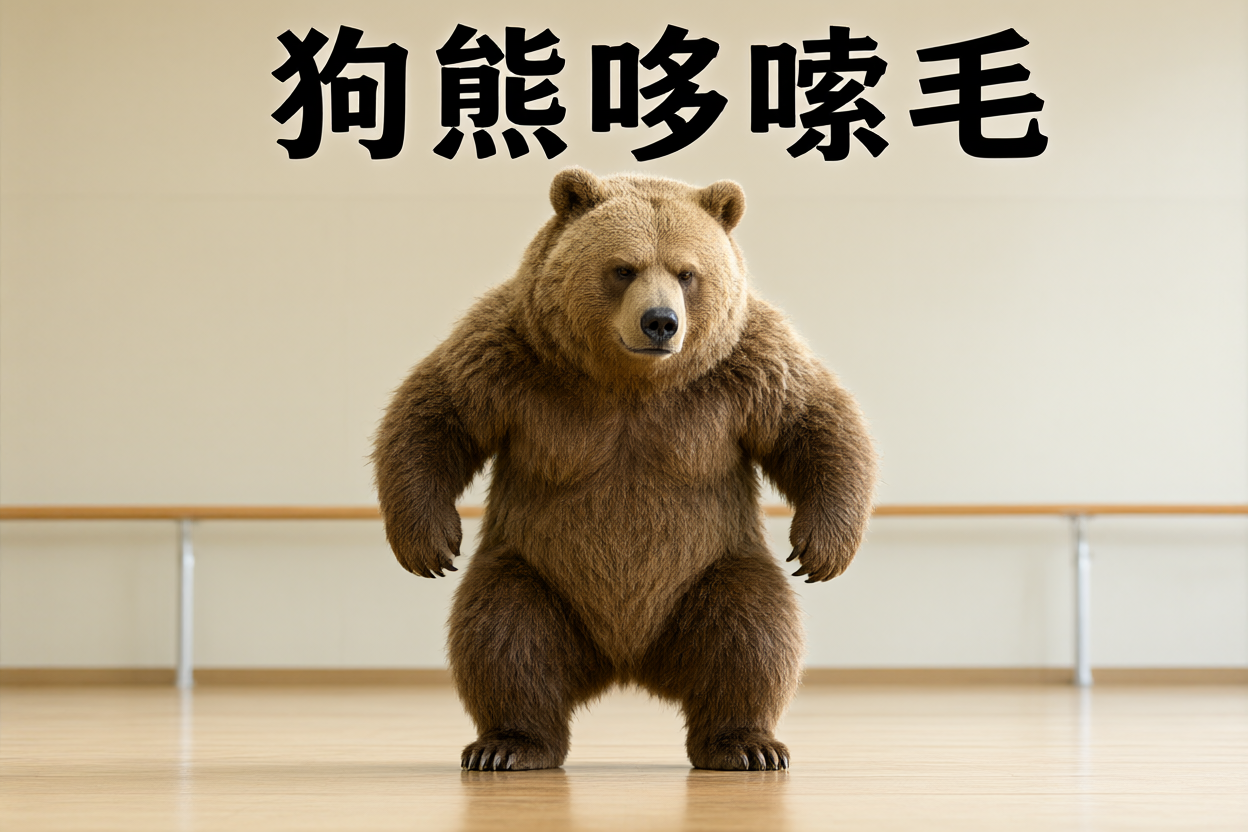
The text results for these two images are different: the orange cat image completely omits the required “Dodge Step” title; The five characters “Bear Trembling Fur” in the brown bear image are correctly verified by the local text recognition. The bear’s posture is closer to standing with a lowered shoulder, and no continuous tremors appear in the static image. The original image is fully displayed, without any edited text or replaced with another model image. Therefore, the first two large characters are correctly written only for one example and cannot be reliably indicated by all Chinese prompts.
The cover also features a set of characters such as the Flash Cat, the Trembling Bear, and the author’s image, with horizontal and square versions generated separately. The six images above are the original images from the device’s review; all original results and problem explanations are retained.
The extension test exposed interface management issues
Additional testing does not run smoothly in one go. The first script was submitted before the backend was ready, and then another connection was interrupted during generation. Checking the logs revealed that directly calling the image port did not occupy the task of refreshing software, and idle recycling stopped the interface; The underlying generation process continued to run. Subsequent scripts switched to the existing startup and occupancy refresh interfaces, saved the original error receipt as a backup, and only proceeded to the next one after completion.
It also supplemented the independent process group recycling of the new image backend to solve the problem of child processes still occupying memory after stopping the interface. Here, two judgments need to be distinguished: disconnection is a program management issue; The kitten not jumping up is a bias in the image content. Lumping them together as “model unstable” is hard to explain and where to fix it.
It works for me, but first for tasks where I can check each sheet one by one
The clear benefit of this round was the waiting cost: Chinese posters dropped from about five minutes to one and a half minutes, and my reference images went from over six minutes to about two minutes. When working on first drafts, trying cover direction, or working scene images, being able to get the next checkable result faster is more meaningful than just shrinking the file.
Currently, I use the standard Turbo Q4 as a quick local trial method, keeping the original quality profile for comparison. For products that require stable character identity, accurate small print, or finely edited parts, I still verify each image before deciding which output to use. One test supports “worth continuing to use on my machine,” which is not yet sufficient to achieve long-term batch stability.
Local acceptance uses 64 GB of memory. The LocalBrain directory marks a 24 GB threshold and recommends 32 GB. Devices with lower memory have not yet been tested and cannot use 11.06 GB of download volume as the minimum running memory. For first-time use, prepare Git, CMake, and Xcode command-line tools, and submit the compiled image to run the program according to fixed source code. The model is licensed for research; commercial use requires verification of the relevant authorization. Download and initial environment preparation require a network; this article does not verify offline connection.
This round of access has already been tested on source code candidates and local application portals, and no new public installation packages have been released yet. Software obtained from existing download pages should be based on the actual capabilities of this version; screenshots from the candidate version in this article should not be taken as public versions of upgrades. The complete prompts, list of four components, and result records have been saved in the local test archive; subsequent retests can use the same conditions.
Main sources of verification
- Regular Turbo Community GGUF and File List
- Qwen-Image-2.1-Turbo Official Model Description and License
- Standard Text Encoders and Visual Projection
- Image Decoding Component Warehouse
- stable-diffusion.cpp Image Run Program
- Xinhua News Agency: Traditional folk dance movements regain popularity (October 6, 2026)
Self-made software
Versions, changes and supported installers all come from the same public release records.
LocalBrain
Turn your Mac into a private AI toolbox for transcription, speech, images, video and MCP tools.
View public downloads and updates ↗HyphenBox
A free model API radar and local router, with ongoing availability checks and keys kept on your device.
View public downloads and updates ↗ScreenLex
Turn subtitles from your own films and shows into an English vocabulary library, entirely offline.
View public downloads and updates ↗HyphenScreen
Screen recording and editing with a Resolve-style timeline, automatic redaction and pre-export checks.
View public downloads and updates ↗Late nights and burned API credits went in,a cup of tea comes back out — only if you feel like it.
Scan with WeChatPress and hold to save the image, then open it from your album in WeChat Scan


Comments
Loading comments…