Current public release
Versions, changes and supported installers all come from the same public release records.
LocalBrain
Turn your Mac into a private AI toolbox for transcription, speech, images, video and MCP tools.
View public downloads and updates ↗Info: Machine translation This post was machine-translated from the Chinese original. Wording may be rough in places — the Chinese version is authoritative.
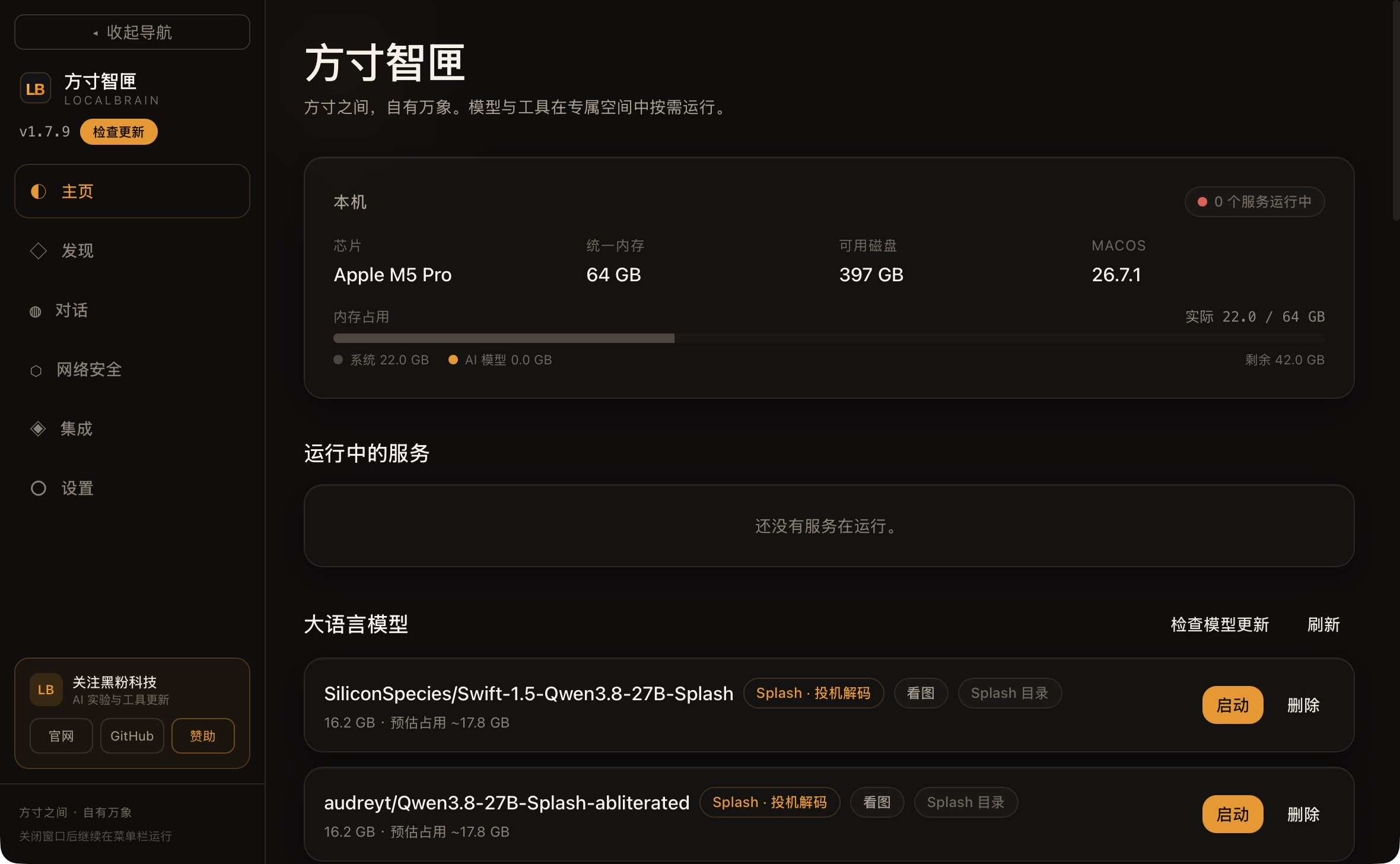
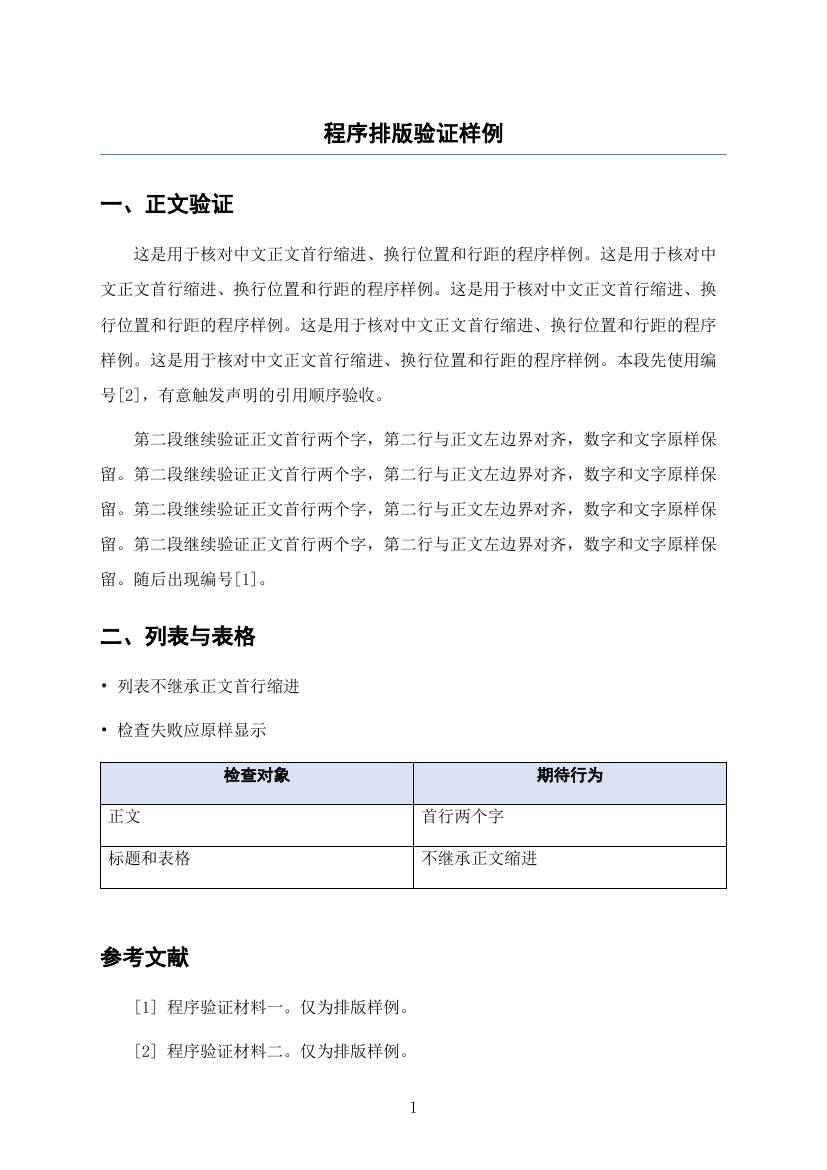
This round of LocalBrain upgrades has now landed on my Mac. The 1.7.9 installable version can actually generate editable Word and PDF files using the document tool. The first line of the Chinese main text is indented, 1.5x line spacing, headings, lists, tables, and page numbers are all read back and checked page.
Dialogues, utility tasks, and independent reviews will include the actual current time and local time zone, allowing you to retime when resuming tasks; Long tasks will no longer be interrupted early by the default five-minute wait period at the underlying level.
These changes address practical problems common when local models handle long tasks: the file is ready, but which version does the check result correspond to? The model is still processing, so why did the connection break first? When asked “today” or “latest,” which day does it use as the basis?
I re-examined the existing papers and this round of optimization records. The most noteworthy effect is that we can now more clearly verify files, dates, sources, and task status. Next, we will release all six pages of the original PDF of the final round of the complete paper, with indented characters, tables, and references available for direct viewing; Specific issues of citations, statistical time, and source coverage are also explained. The original manuscript and process records are preserved, making it easier to compare the actual effects of each change.
🎯 Let’s look at the actual product: Word and PDF can already be delivered
The most direct example is the fixed version re-executed with the official installation version 1.7.9 titled “Current Status, Bottlenecks, and Prospects of China’s AI Industry.” This machine still uses the original 27B model, with low-level thinking, temperature 0.65, and a single-run output limit of 16K; The original question only changed the independent output directory. The model searched, read, and registered web pages and sources on its own, generating editable Word and 6-page PDFs, with the task naturally ending after 21 minutes and 34 seconds.
The difference in page counts between the two formats is also worth retaining. Word and standalone PDF use different formatting engines, so identical text does not guarantee exact page alignment. Being able to open files and read them properly is already a delivery capability; To ensure every citation is correct, you still need to continue reading the content.
The two-character indentation in the full draft has been implemented. All 26 longer main text paragraphs in Word and PDF have been checked for 24 pt first line indentation; The PDF text is 12 lb size, with the first line shifted two characters to the right compared to the continuation, and the line spacing is 18 pt, exactly 1.5 times larger. Word rendered 8 pages in total, with 3,546 Chinese characters extracted in both formats in the same order. The six-page PDF retains titles, data sheets, references, and consecutive page numbers, with no obvious garbled text, overlap, or cropping.
The full draft also leaves several specific issues: the first citation order is 1, 5, 2, 6, 3, 4; three official original sources were not obtained; the abstract and introduction were mixed with statistical time; the PDF had four punctuation marks at the beginning of the line.
Independent review was actually carried out, but only three main text fragments totaling 511 characters were received, and the return lacked a finished product positioning, so the full text was not covered. Formatting effect, content issues, and review scope were recorded separately to help readers judge how suitable the product should be used.
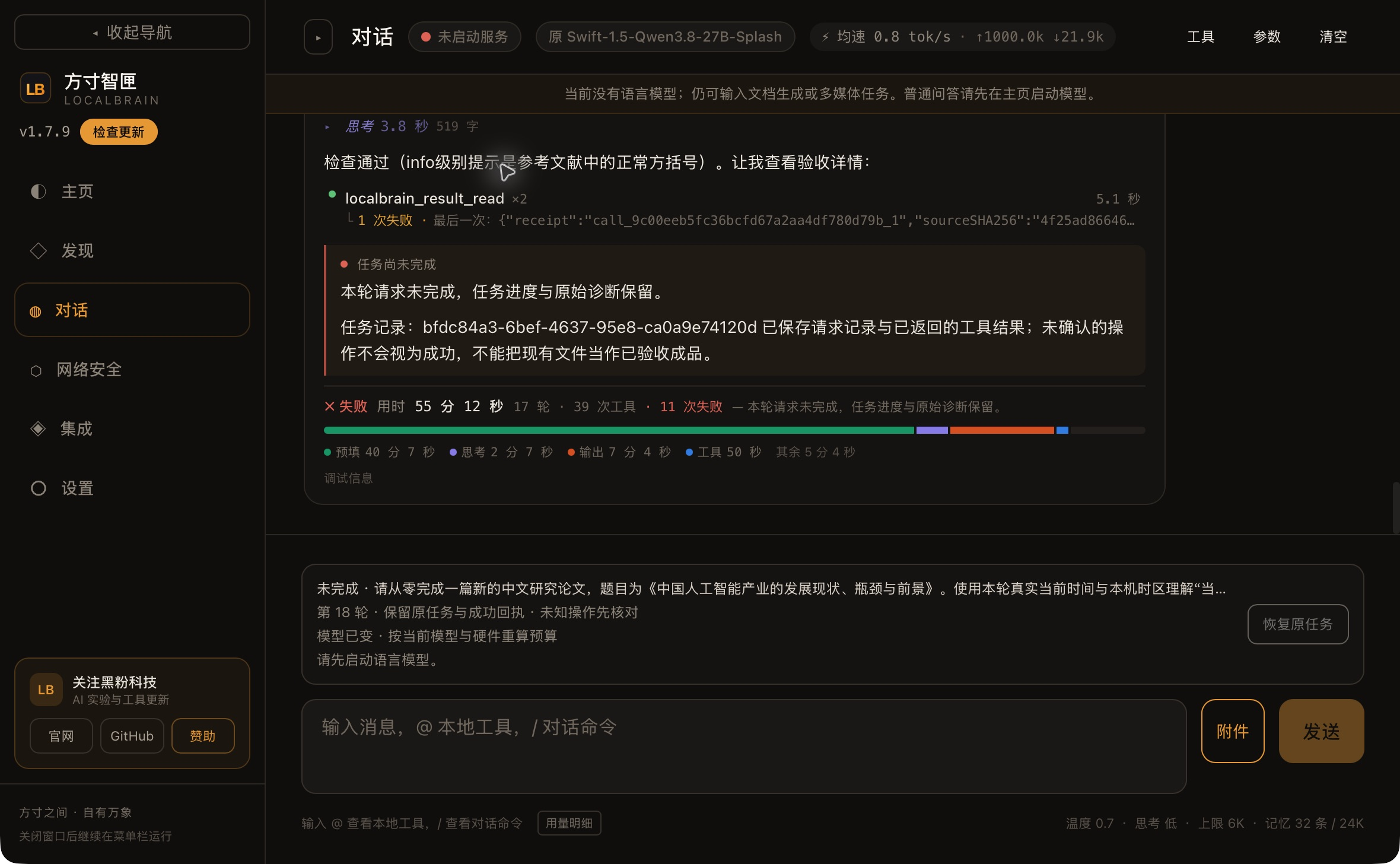
The previous version 1.7.8 generated 5 pages of PDF and 7 pages of Word preview, but failed on the 18th model request after 55 minutes and 12 seconds; The main text lacks two-character indentation. The sources, networks, and actual output of both the new and old versions have changed, so it is not appropriate to promote time difference as a strict speed increase. The old draft and short installation examples will be retained, and the article will display the original PDF pages in full at the end of the article, allowing viewers to directly see the layout differences.

🔍 Ten drafts clearly distinguish between “being able to write” and “being able to communicate.”
The initial batch of tests covered ten categories: AI error correction teaching, machine hesitation and trust, digital etiquette that never replied to reads, the implicit price of free AI, offline research assistants and evidence tracking, the lifecycle of a circular coffee cup, labor and alienation in ‘Metamorphosis,’ time discipline in railways and cities, humorous short videos and knowledge understanding, navigation algorithms and community costs.
These tasks use the same local 27B model, enabling low-level thinking and serial execution. The total generation stage is 119.2 minutes, excluding independent review. All ten tasks generated documentation, exposing different issues: some main texts were too short, some had bibliographic errors, and some research proposals were inconsistent. Each article was recorded to explain where the problems occurred, and subsequent optimizations proceeded accordingly.
This result can be analyzed separately. Two main texts fall within the range of 4000–5000 Chinese characters, 7 abstracts are within the 200–300 Chinese character range, and 1 article is first cited in order. Some papers clearly state that the research has not yet been conducted, with no fabricated interviews or self-collected experiments; these advantages are also recorded individually.
The real problems often lie in the documents. For example, one teaching scale lists 20 questions, each worth 0–3 points, but the total score is set to 80; Another plan has two sample sizes: 200 and 240 in different chapters. There are also cases where the literature does exist but the volume page numbers are incorrect, or the reading is an abstract, and the main text treats unverified details as research conclusions.
Therefore, later optimizations had a clear direction: to ensure the program manages execution, original records, and mechanical verification requirements, leaving the remaining judgments to content review. After testing, the formatted and organized documents were saved as a separate copy, with consistent text hash in the main text; these drafts cannot be counted as native model layout success.
⚡ List of generated papers and actual results
Below is a list of ten types of baselines, eight rounds of complete same-topic retesting, economic papers, and AI industry papers—two new and old practices—each item, with documentation, time, and specific issues specified. Time consumption comes from the original records for the current round, and retest time is rounded to the second. Program, network, window, and observation boundaries vary across different rounds, so this table cannot be used to calculate strict acceleration ratios.
All ten types of cross-domain baselines generated Word documents; The corresponding PDF is a formatted and organized version saved after testing and cannot be considered the model’s native layout score.
| Actual thesis title | Generation and inspection results |
|---|---|
| 01 | “When AI Deliberately Answers Wrong: Can Elementary Students Learn Scientific Reasoning Through ‘Error Correction Games’?” 》 |
| 02 | “Why Are We More Willing to Trust a Machine That Hesitates?” The Impact of Artificial Intelligence Expressing Uncertainty on User Trust |
| 03 | “Digital Etiquette of ‘Read but Not Reply’: Waiting, Power, and Relationship Negotiation in Instant Messaging” |
| 04 | “Is Free AI Really Free?” From Time Costs and Privacy Costs to the Hidden Prices of Platform Dependence" |
| 05 | “Turning an Offline Computer into a Research Assistant: Evidence Tracking and Citation Verification Design for Local Large Model Paper Writing Systems” |
| 06 | “The Second Life of a Takeaway Coffee: When Are Reusable Cups Truly More Environmentally Friendly Than Disposable Cups?” 》 |
| 07 | Why Did the Monster Start Working Again? Labor Identity, Family Responsibility, and Bodily Alienation in ‘Metamorphosis’ |
| 08 | “How Can a City Learn to Be ‘Punctual’?” Modern Railways, Public Clocks, and the Time Discipline of Daily Life—Focusing on Shanghai (1880s–1930s) |
| 09 | “Does Turning Knowledge into Jokes Lead People to Remember More or Understand Less?” — Humor and Cognitive Load in Short Video Knowledge Sharing" |
| 10 | “When Navigation Turns Quiet Streets into Shortcuts: The Efficiency Benefits of Urban Traffic Algorithms and the Community Costs” |
The Eight Rounds of Elementary Science use the complete question sheets, focusing on the 2022 edition of the Science Curriculum Standards and authentic references. Each round includes a Word file; Page count refers to the PDF preview rendered during independent checks, and does not mean the model wrote eight separate PDF papers.
| Round and actual thesis title | Generation and inspection results |
|---|---|
| Retest 01 | “Artificial Intelligence Empowering Primary School Science Education: Theoretical Review and Practical Paths Based on the 2022 Edition Curriculum Standards” |
| Retest 02 | “Research on the Application of Artificial Intelligence in Primary School Science Education” |
| Retest 03 | “Artificial Intelligence Empowering Primary School Science Teaching: A Study on Practical Paths Based on the 2022 Edition Curriculum Standards” |
| Retest 04 | “Research on Practical Paths and Strategies for Empowering Primary School Science Teaching with Artificial Intelligence” |
| Retest 05 | “Artificial Intelligence Empowering Primary School Science Teaching: A Strategic Study Based on the 2022 Edition Curriculum Standards” |
| Retest 06 | “Research on the Theoretical Framework and Practical Path of Empowering Primary School Science Education with Artificial Intelligence” |
| Retest 07 | “Artificial Intelligence Empowering Primary School Science Education: A Study on Practical Paths Based on the 2022 Edition Curriculum Standards” |
| Retest 08 | “Empowering Primary School Science Teaching with Artificial Intelligence: A Study on Practical Paths Based on the 2022 Edition Curriculum Standards” |
| New Practice Questions | Generation and inspection results |
|---|---|
| “Current Economic Development in China” | Five Word versions are retained within a single task; 30-minute observation boundary stop; Final candidate 11 pages, structure, numbering, and page readability; Mainly analyzed for 2025, excluding data obtained from the first half of 2026, with key reviews not completed. |
| “Current Status, Bottlenecks, and Prospects of China’s Artificial Intelligence Industry” | Installed version 1.7.8 generates Word and standalone PDFs; Connection timeout after 55 minutes and 12 seconds. Standalone PDF 5 pages, Word rendering 7 pages; Citation order is disordered and support mismatched, resulting in incomplete independent review. |
| Finally, a sample is displayed | “Current Status, Bottlenecks, and Prospects of China’s AI Industry” |
An earlier file on October 7, 2026, also includes the following manuscripts with the same title. They are listed by actual product titles, and revisions and copies are not counted as new tasks; This time, only the original records are organized, and these model tasks have not been restarted.
| Early archival titles | Records and retention status |
|---|---|
| “Artificial Intelligence Empowering Primary School Science Teaching: A Study on Practical Paths Based on the 2022 Edition of the Curriculum Standards” | Early 1.7.3 candidate installation acceptance: generated in 12 minutes 22 seconds, 14 rounds with 35 tools and 15 errors; Year and source declaration issues, only thumbnail preview was shown this time. |
| “Empowering Primary School Science Teaching with Artificial Intelligence: Paths and Strategies Based on the 2022 Edition Curriculum Standards” | Early engine bench: generated in about 10 minutes and 47 seconds, 37 tools; After generation, the test process interrupted it, no final state completed; 17-page preview see paper and title issues. |
| “Research on the Application of Artificial Intelligence in Primary School Science Education—An Analysis Based on the 2022 Compulsory Education Science Curriculum Standards” | Stop mechanism repair retest: Ends naturally at 10 minutes 45 seconds, 20-page preview; Original documents and layout need to be further verified. Save the original system output and two revised drafts; do not count new questions twice. |
| Research on the Paths and Strategies for Empowering Primary School Science Teaching with Artificial Intelligence—From the Perspective of the 2022 Edition of the Curriculum Standards | Same paper’s new logic: naturally ended at 21 minutes and 5 seconds, 14-page preview; Mismatch of the author’s journal name, loose arrangement of title and main text, only 12 pages were viewed this time. The original manuscript matches the byte of the system-output copy. |
Additionally, short examples of document mechanisms, field readbacks, source reliability, and installation layout verification are left for verifying specific program behaviors and are listed separately for mechanism testing. The entire batch contains 190 physical Word or PDF files and 169 different byte versions, including intermediate drafts, previews, copies, and external materials; The detailed table of contents records the actual file identity and original path.
💰 What features have been added, supplemented, or corrected in this round?
This round includes new capabilities, as well as existing wiring and bug fixes. Below is a list of actual changes to avoid repackaging existing document generation capabilities into new features.
| Functional changes | Uses and Verified Scope |
|---|---|
| Added: Real-time basis for four entrances | Each conversation, utility task, independent review, and recovery retrieve the device’s current time and local time zone; Minimum verification for the installed version has been covered. |
| Correction: Time and long context wiring | Stable system and historical prefixes are retained, with counts containing actual time context; The model naturally ends without refreshing the clock by an extra round. |
| Fix: Long quest waiting boundary | Provider connections comply with user single-turn and task time limits, retaining reasons for proactive cancellation and stopping; Controlled endpoints wait more than five minutes for verification. |
| Improvement: Tool receipt positioning | Supports real field directories, field values, keywords, body scopes, and fingerprints; Reads existing results without replaying external tools. |
| Added: Source field witness and unknown status | Fields such as author, year, and version should correspond to the actual return text; Missing items should be kept unknown, and errors should be returned with specific reasons; No evidence should be validated for supporting the argument. |
| New: Conditional inheritance is bound to file versions | Keep clear requirements and inheritance relationships, and check according to document fingerprints; Weak condition checks fail but cannot override original strong conditions. |
| Fix: Partial document modification receipt | Void search, missed hits, or incorrect hits are rejected for saving; Cross-text fragment replacement retains irrelevant formats and returns the actual number of modifications. |
| Perfect: Semantic headings and paragraph styles | The original title matches the following page, main text prevents single lines, and later additions follow the standard style; Actual short tail lines provide reminders. |
| New: Optional Chinese academic preset | A4, 12-pound main text, 1.5x line spacing, compact heading and page numbers; This is a general option and cannot certify all school or journal standards. |
| Fill: Indent the two characters in the main text of Word and PDF | Both formats of academic body text use a 24-point first-line offset; Titles, lists, tables, and page numbers retain their respective semantics; Short sample versions and 26 longer body paragraphs of the new complete paper have been checked. |
| Correction: PDF academic option wiring | The generative tool actually applies academic options, avoiding requests in the prompt but not being used in the file. |
| Supplement: Complete inspection results and itemized status | Original text and structured receipts share the same source; Basic checks are retained separately from document acceptance failures, but field reads remain at their original values. |
| Amendment: Independent review of agreements and output budgets | Explanations and format examples are standardized, duplicate lists are merged, and the user output limit and actual window margin are retained; Passing a small sample does not mean the entire paper is passed. |
| Improvement: Failures, doubts, and recovery tips | If a new draft is not checked, does not cover requirements, is unavailable during review, or has doubts entered into the final and restoration records, existing documents will not be shown as accepted. |
| Patch: Stable wiring for fixed skills loaded | Local machines have loaded rules into each stable zone, and organize and restore to retain them; External web pages and tool results cannot be elevated to system rules. |
These mechanisms have been packaged and installed with Mac 1.7.9, and public download and update signatures have been validated. The short sample verifies specific program behaviors; citation, source, and statistical issues in the full paper are explained separately.
🧩 The first value: putting “today” back into the real calendar
The economics paper exposed an easily overlooked issue. The title was “The Current Economic Development of China,” with the date October 11, 2026. The model ultimately mainly analyzed 2025 and did not include the official data from the first half of 2026. Knowing the dates and truly covering the latest data are two steps that need to be checked separately.
Now, every actual conversation request in the program adds the device’s current time and the machine’s local time zone. Tool tasks, independent reviews, and requests after recovery are also retimed. My machine uses the Shanghai time zone, with a time offset to UTC+08:00; the time depends on the device and cannot be replaced by the old time at the time the software started.
You can think of it as checking a package: today’s query date, parcel shipping date, and most recent logistics record—each has its own meaning. The same goes for papers—search date, webpage release date, data statistics period, and future forecast shouldn’t be confused with the ‘latest’ thing. The program provides today’s coordinates, but the model still checks which day the data was updated.
The minimum test for the installation version now covers normal dialogues, utility tasks, independent review time entries, and refresh times for resuming the same session after exiting and restarting. The fixed complete paper also checked 21 actual requests, including one independent review, all with newly acquired times and Shanghai time zones.
This time, we also read the August 2026 report, which distinguishes several time points in the number of companies in the main text; The summary and introduction still use statistical periods together, and the known date and the correct usage date still require separate acceptance. This round did not resume the tasks currently being performed; the conclusion to restore the entry point continues to be based on the previous minimum measurements.
This optimization is also useful for news compilation, industry reports, and software version queries. It provides a clear starting point for “current, this year, latest” while retaining restrictions where the data does not cover the current date.
🚀 Second value: If users are allowed to wait, the underlying connection must cooperate
The direct reason for the AI industry paper interruption has been verified. The interface allows a single wait of 600 seconds, but the underlying model connection terminates first when there is no effective output after 300 seconds. The first two rounds of waiting for the first valid word were close to 295 and 297 seconds, and the 18th round hit this underlying deadline.
This is a conflict between program settings. The user is willing to wait ten minutes, but the connection below only gives five minutes; before the model can deliver a valid response, the task is interrupted. Blaming all these failures as “the model cannot be written” misses the parts that truly need fixing.
This round of fixes allows connection waiting to comply with user-set single rounds and task time limits, retaining proactive cancellation and clear reasons for stopping. There is no explicit time limit, nor is it secretly applied a five-minute idle period.
Fixed 1.7.9 Candidate Validation Using Real Task Engine, Real Network Stream, and Controlled Test Endpoint: After 305.195 seconds without valid body output, the response still completes normally. User-set shorter boundaries can also be stopped first. This figure proves that the five-minute connection limit has been coordinated, and the test endpoint does not undertake paper writing, so it cannot prove the model is smarter or the whole paper is faster.
For tasks that require reading a lot of data or handling long contexts, the value of this change is straightforward: it actually passes user-selected waiting budgets to the execution layer, reducing premature interruptions within the program.
🧠 The third value: what has been investigated, leaving behind original records that can be traced
After the model reads the webpage, it receives a tool receipt. The receipt may include the address, title, main text, reading scope, and error information. It’s like a receipt left by looking up information: only after receiving the receipt can you go back to verify what was actually obtained at that time.
Now, long receipts can be read by real fields, and keywords and body snippets can also be pinpointed. The program preserves the original text, structured results, field positions, and file fingerprints; Reading back existing results does not require revisiting the webpage. Even if a field is read, it will not be written as having read the entire source.
Source registration now has clearer boundaries. Author, year, version, page number, or performance data must be based on the actual returned content; Fields not obtained are left unknown. Formatting or positional errors in the registry return specific issues, which the model can fix itself rather than having the program add a value for it.
However, successful registration only means the basis can be positioned. AI industry articles are a ready-made counterexample: sources can be registered, numbers appear in a read report, but the main text cites another source. The program can help you find records from both sides; who the numbers belong to and whether they support the current argument still require content judgment.
The most practical benefit of this optimization is having a place to look up errors after they occur. References have numbered and links, but only superficial connections are achieved; We also need to be able to ask which paragraph we read and which sentence it supports.
📉 Value Fourth: Document review is based on project reports, revised and re-adapted
A common confusion in the past was that if the document passes the basic check, the model would say the entire paper passed. The objects of the two inspections differ: the basic check can look at the file structure and readability; Document acceptance may also check length, citation order, and clear user requirements.
This round of installation verification deliberately produced a problematic short document: the main text first cites [2], then [1]. The basic check passes, but the first citation order acceptance should fail. The actual tool receipt retains both results; reading by field still results in the original success and failure, without a general “pass” sentence.
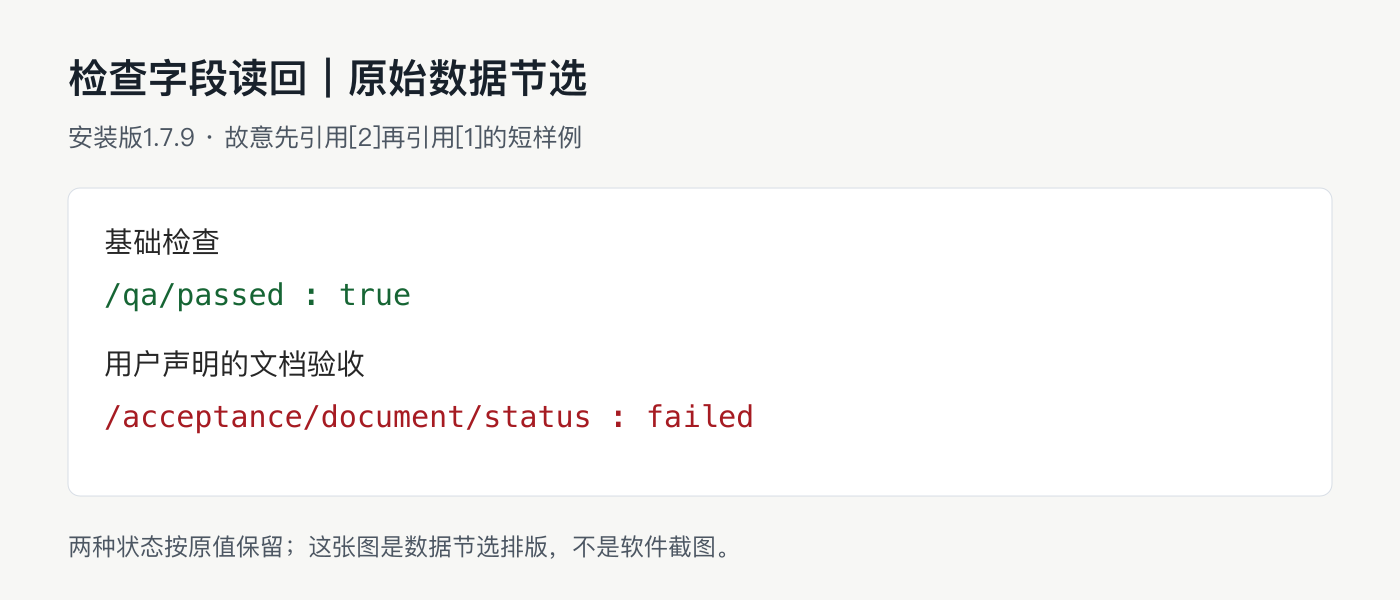
The check also corresponds to the file version. For example, after modifying a contract, the old signature does not automatically prove the new terms have been reviewed; If the thesis modifies the main text, citations, or tables, the old review cannot continue to endorse the new version. Now, if the document checks bind the fingerprint and declared conditions, and clarify inheritance conditions, the revised version will retain the relevant requirements. If the new version is not verified, reviewed as unusable, or not covered by requirements, it will enter the end prompt and restore record.
The input and return formats for independent review were also standardized, with duplicate lists removed and space reserved according to user-set output limits and actual window capacity. The previous round of review output 4,059 keywords, close to the fixed limit of 4,096 at the time, resulting in formatting errors; The program truthfully recorded that it was unusable. After the format was streamlined, small samples could check for preset issues, but the quality of judgments for long papers was still not guaranteed.
These changes make checks easier to verify and harder to overwrite with a single completion statement. The new complete task naturally finishes in 21 minutes and 34 seconds, with 35 tool calls and 8 tool failures, yet the interface still clearly reminds you that the delivery verification is incomplete. The following image also retains the failure and recovery prompts from the old 1.7.8 task: 55 minutes 12 seconds, 39 tool attempts, and 11 failures. Both new and old states are recorded accordingly, so that “file generated” does not override the acceptance conclusion.
🎯 Chinese formatting has shifted from prompt requirements to document tools
This round also checked the relevant source code of the task engine. The core used in practice is DeepSeek Harness 0.1.5-rc.3; In the system prompts, proxy loops, and time context modules checked, no built-in Chinese paper templates or fixed wording for Chinese economic questions were found. This is a related mechanism verification and cannot be used to infer the model’s training content or the entire project’s behavior.
Therefore, Chinese formatting should be implemented in the options of the generation tool. The academic preset already supports A4, 12-point main text, 1.5x line spacing, compact headings, page numbers, and indentation of the first line of two characters; Academic options that PDF previously missed have also been added. Titles, lists, tables, and page numbers are not indented along with the main text.
The value of this is to avoid a round of mechanical rework. Fonts, paragraphs, and margins are set by the program according to options, and users can continue editing after receiving the file. Specific schools, journals, or organizations have their own templates but must still be adjusted according to target requirements; a general preset cannot be advertised as “compliant with all Chinese paper standards.”
The final candidate for the economics question has 11 pages, with structure, numbering, and basic page boundaries already checked; The content mainly analyzes 2025 and does not include the official data from the first half of 2026 obtained from 2026. Only by looking at page effect and data timing separately can you understand what layout optimization solves and what content still needs to be checked.
🔍 Early dissatisfied samples: PDF original text shown page by page
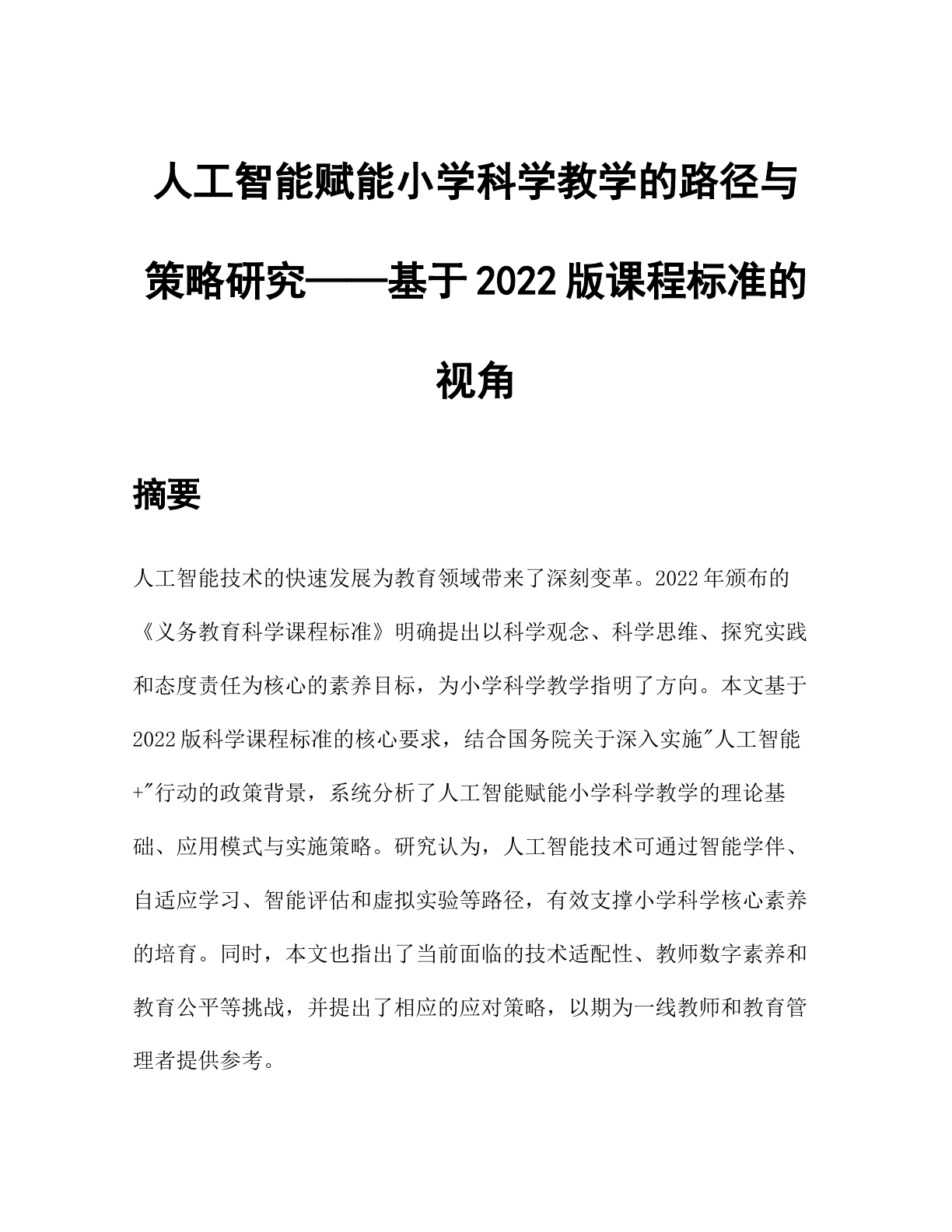
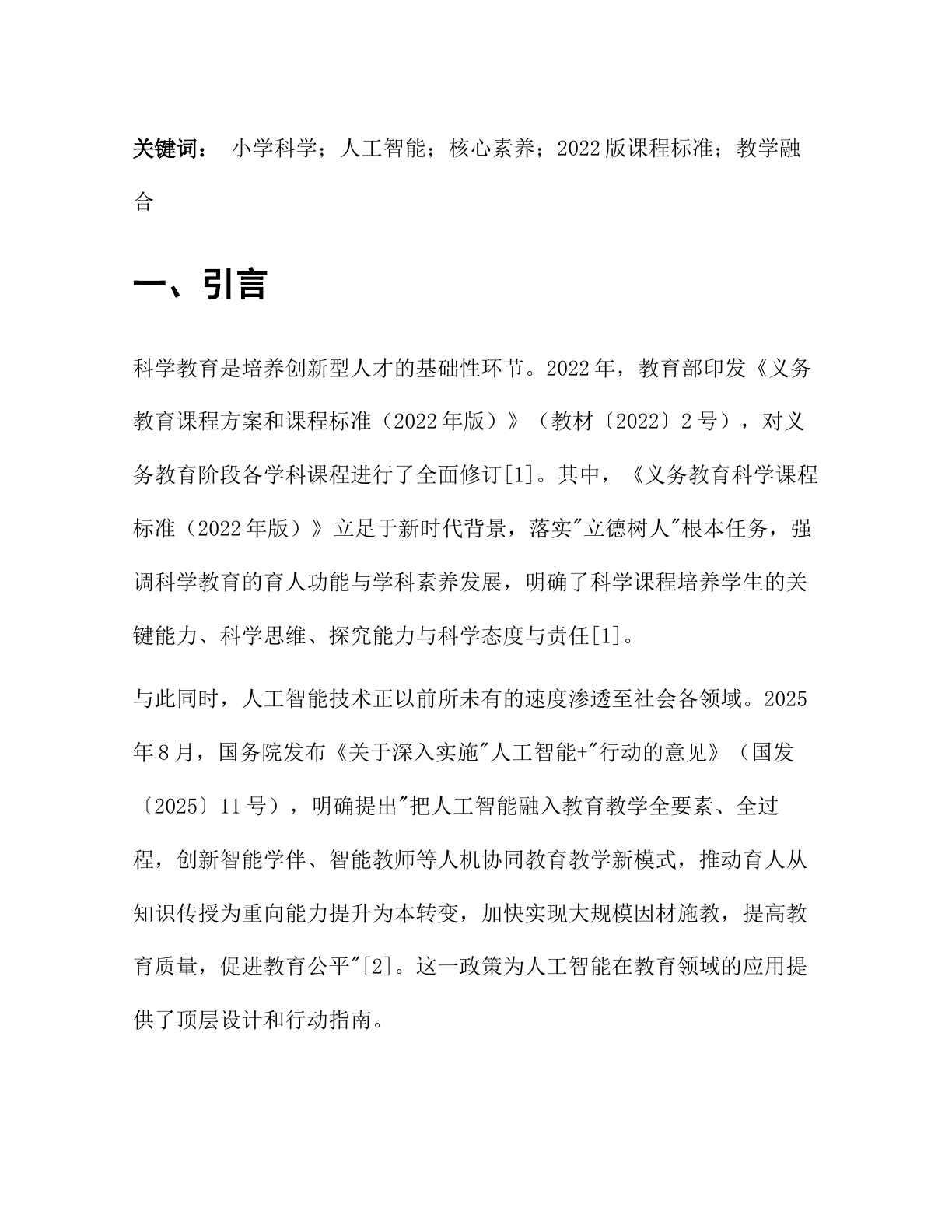
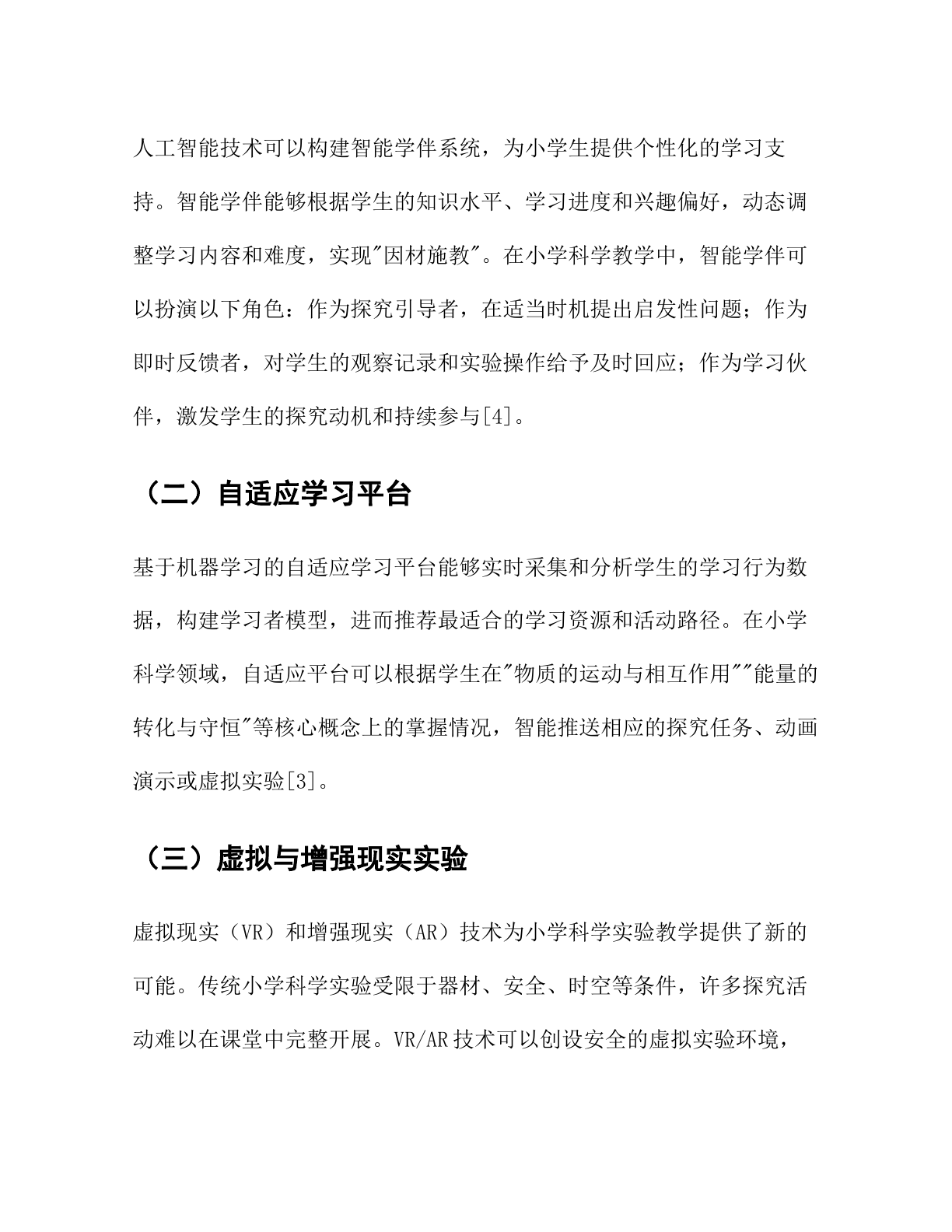
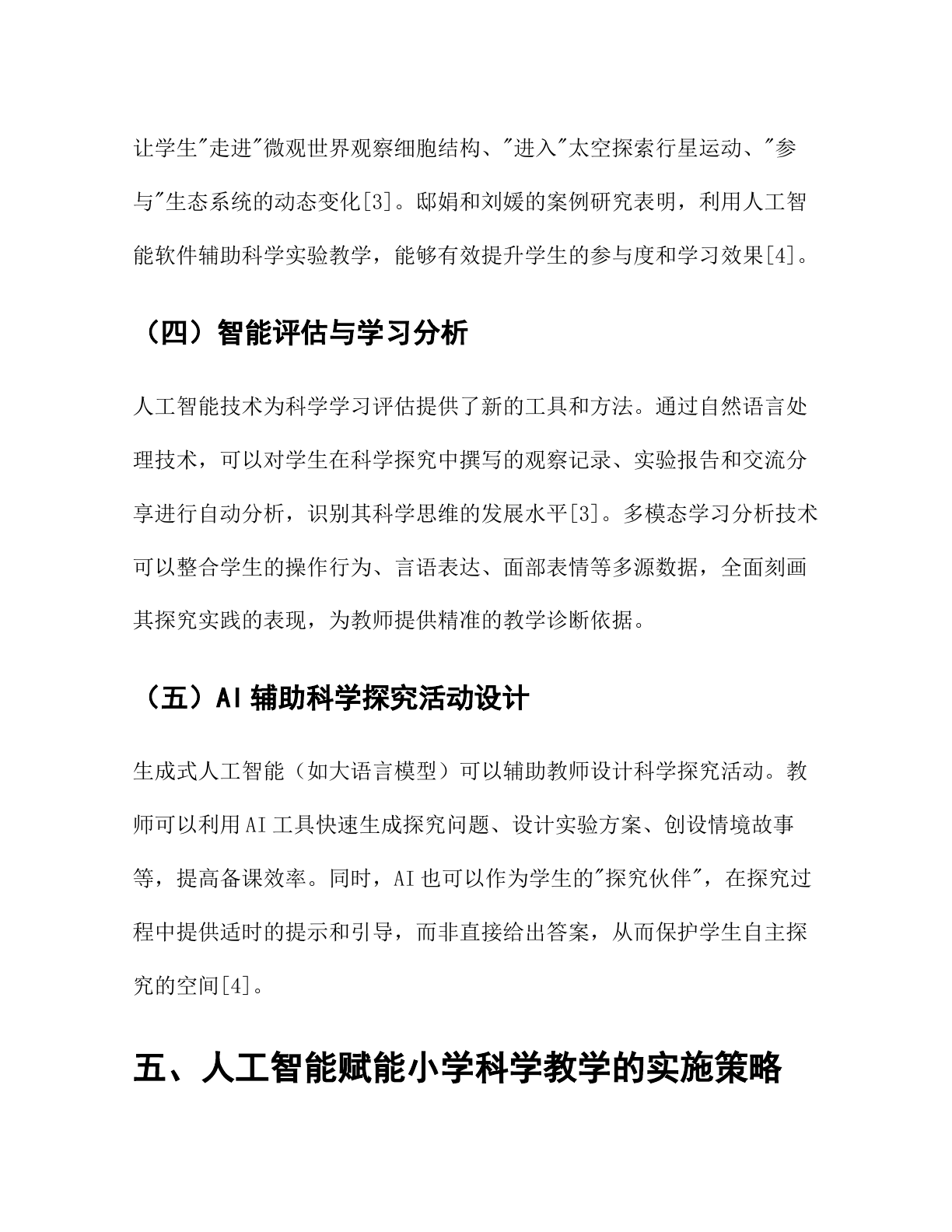
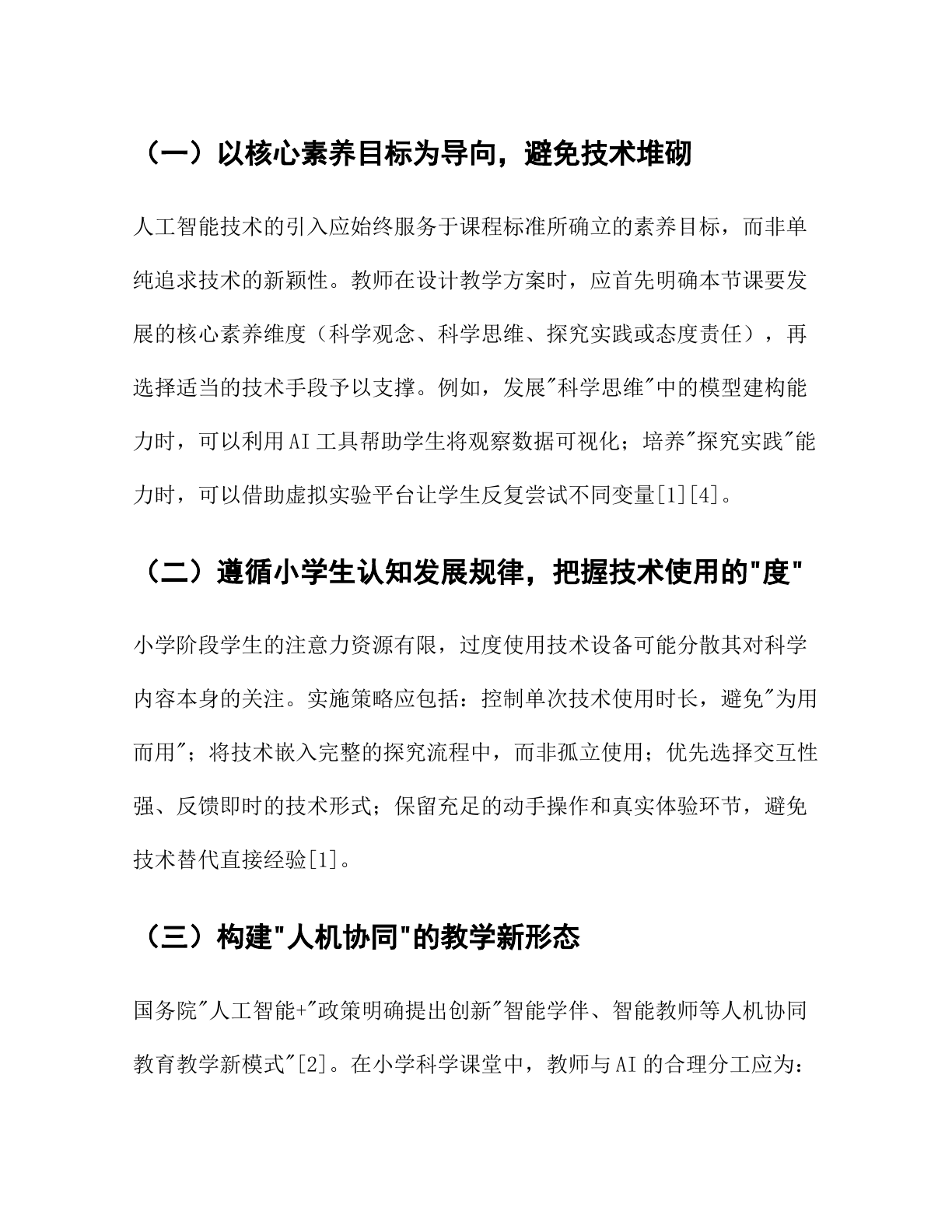
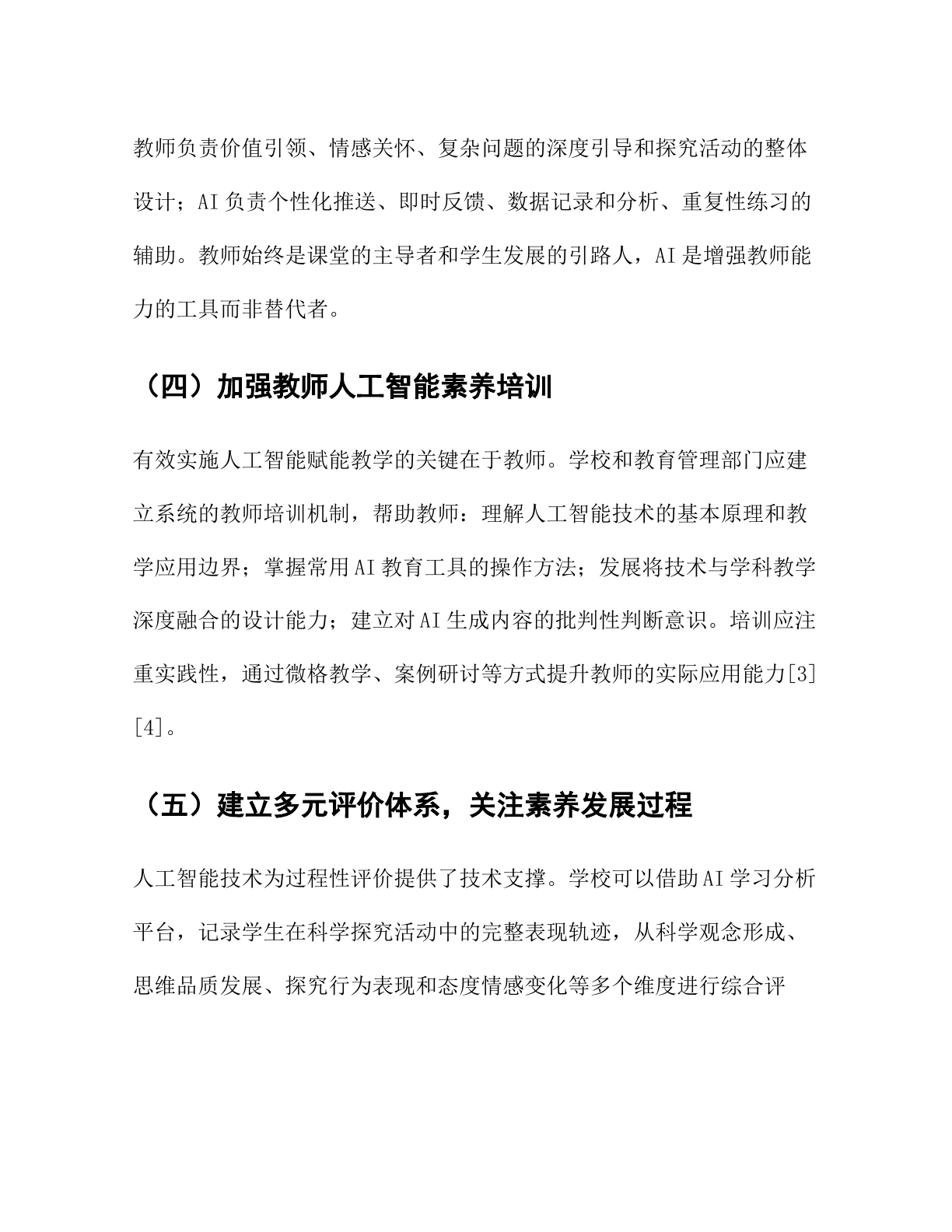
This article is an early elementary science manuscript preserved on October 7, 2026, about 5,400 characters spread across 14 pages. The title is split into three lines, with large font size and line spacing, and independent records also reveal mismatches between author, journal name, and source. Below is a complete 14-page display in the original PDF order, including references on the last page. Each image is the original page; layout and text issues are preserved with the original manuscript for reference at the time.
PDF originals retain the full text and original layout, allowing you to enlarge and view them on your computer; Articles are displayed by page, and images can be opened on mobile to view details.
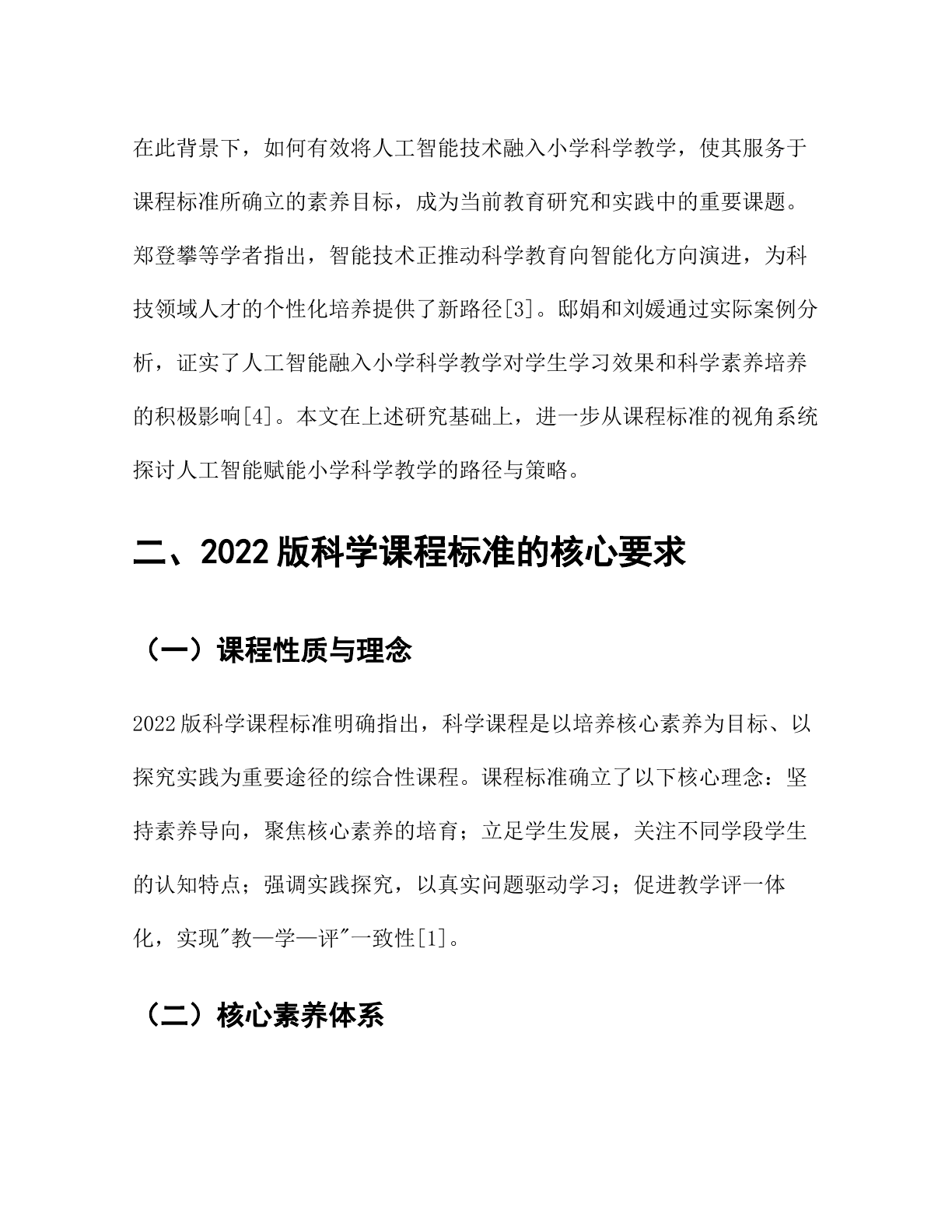
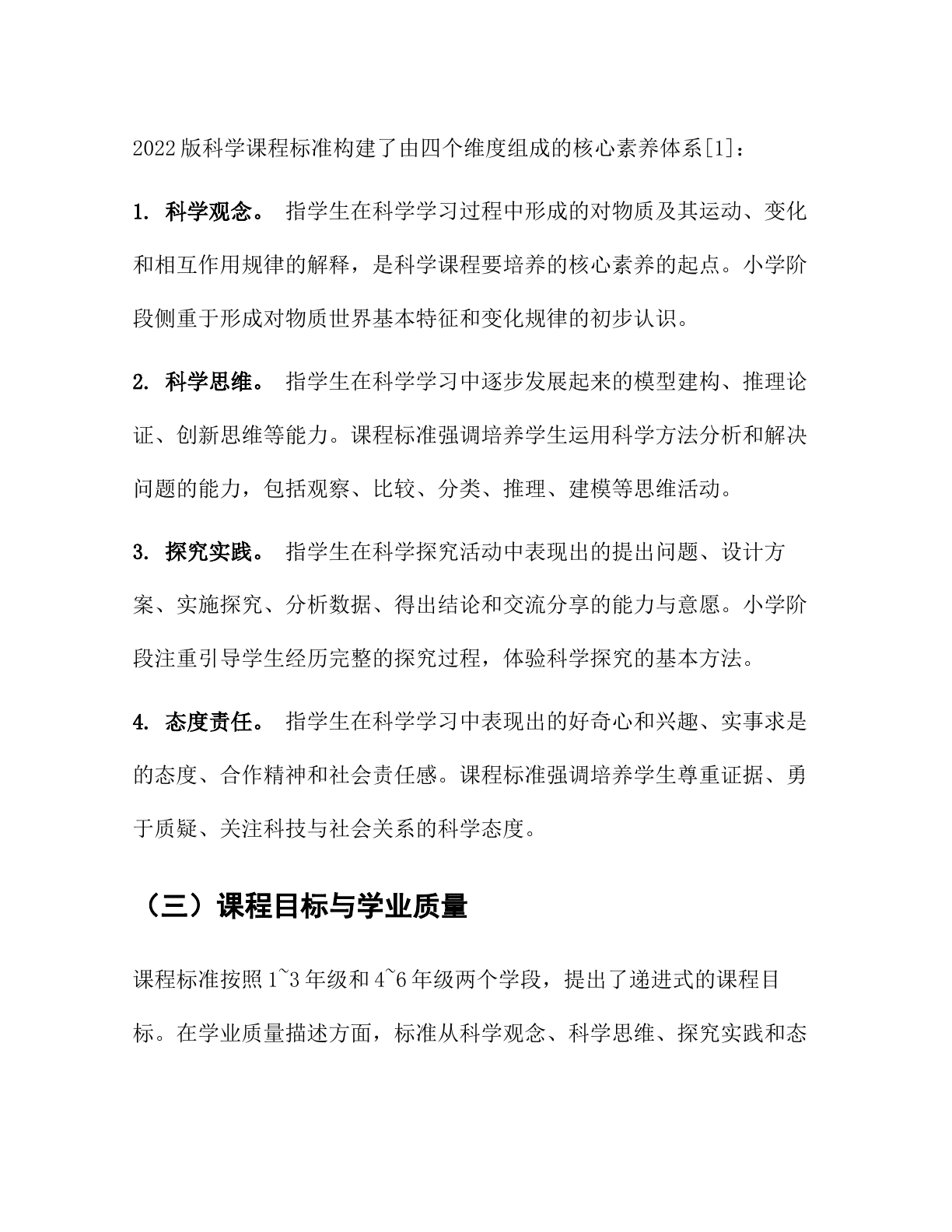
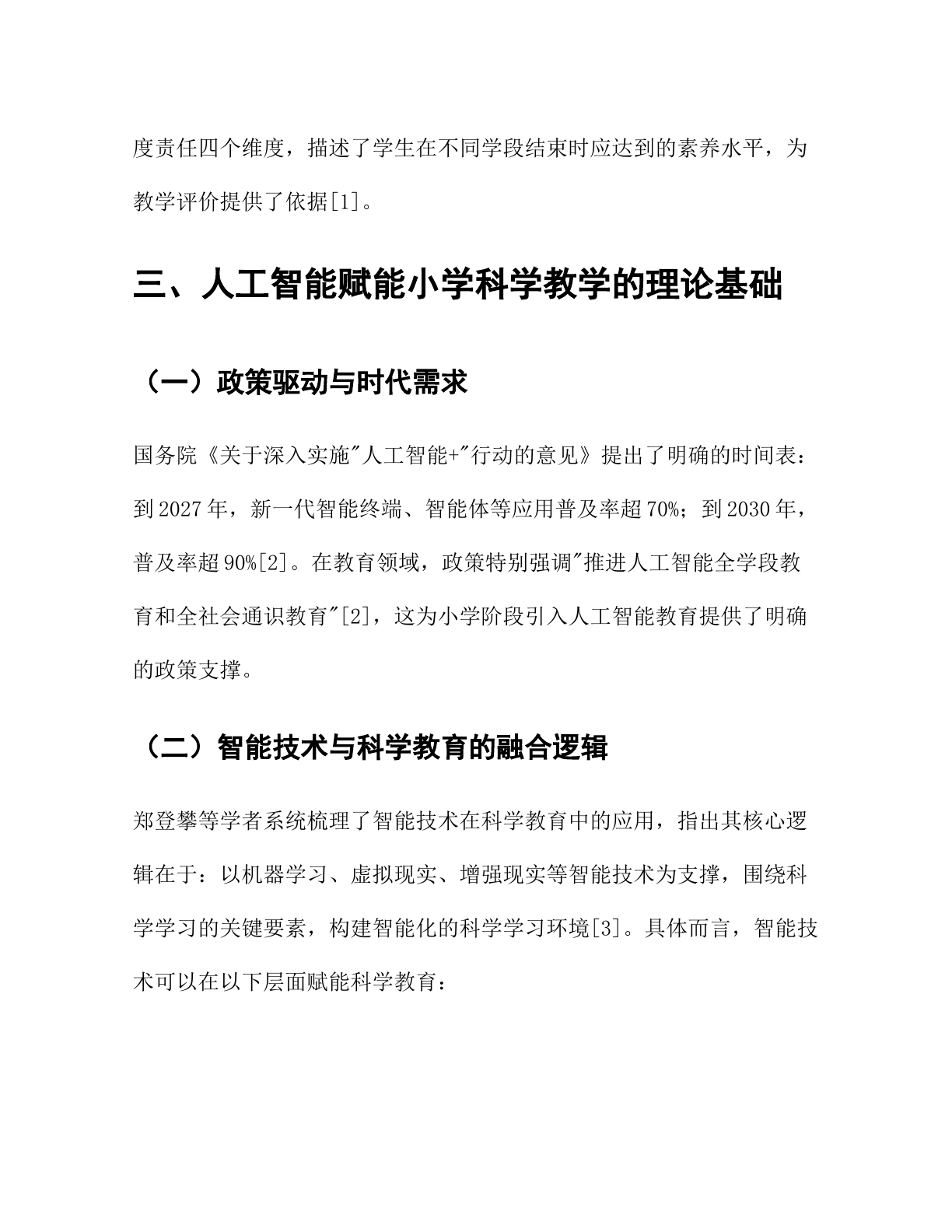
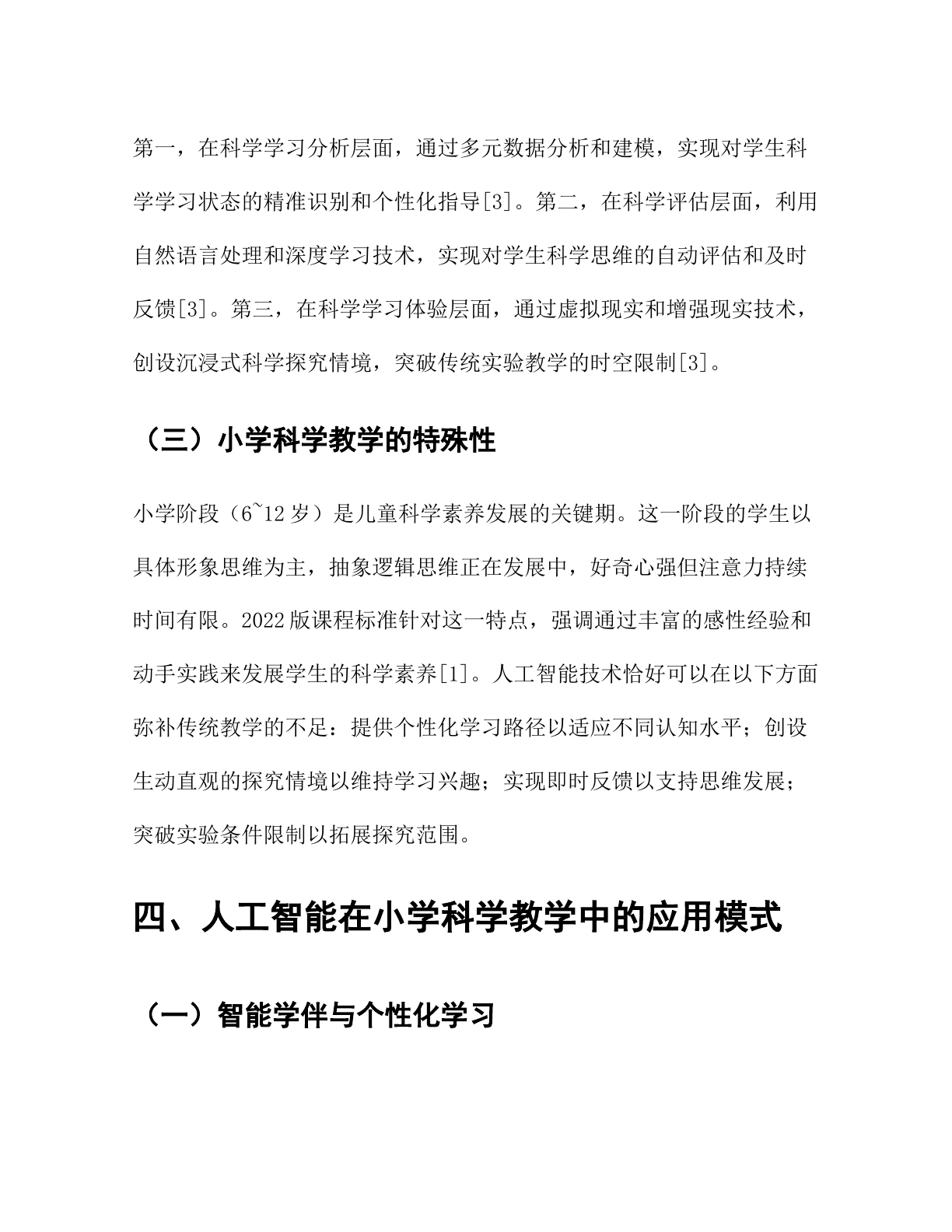
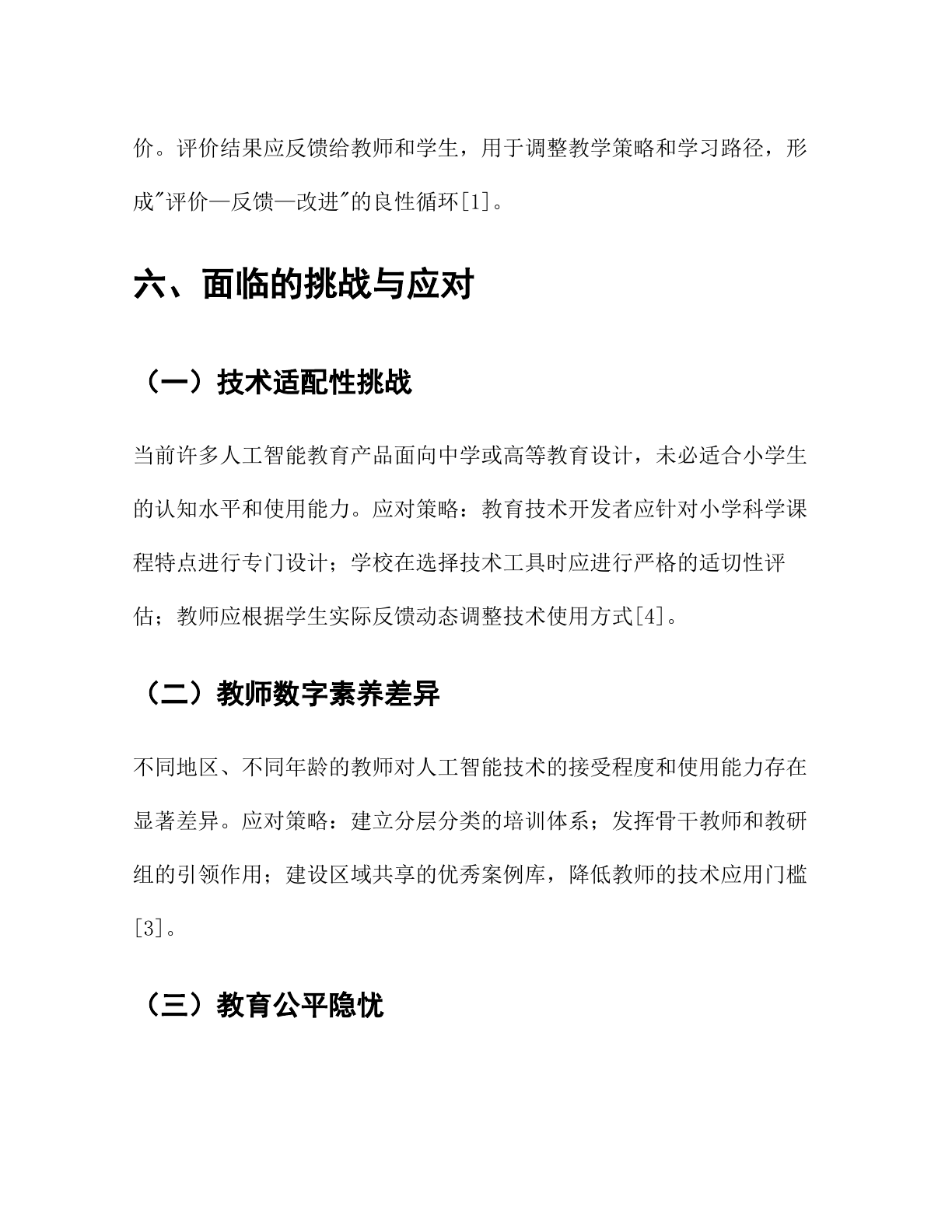
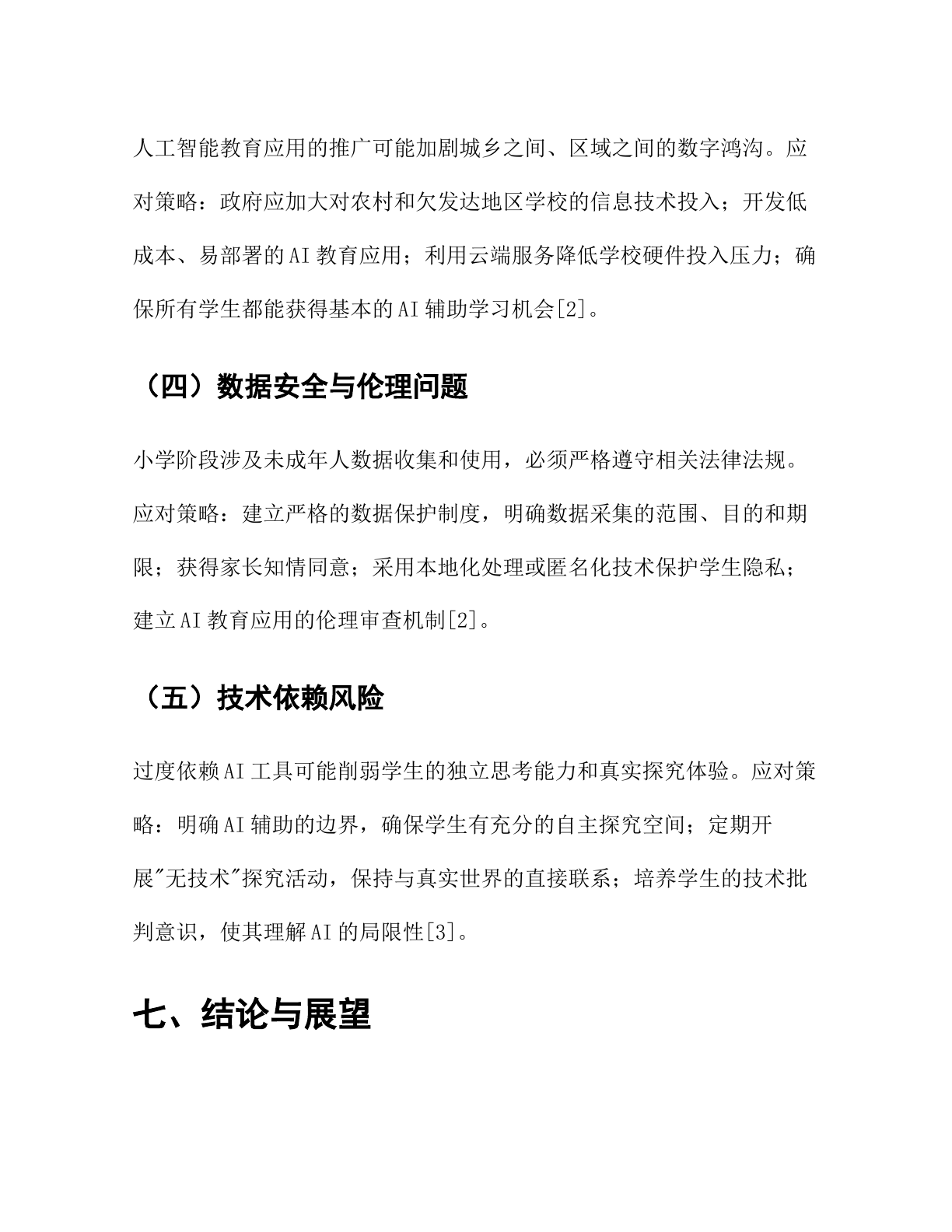
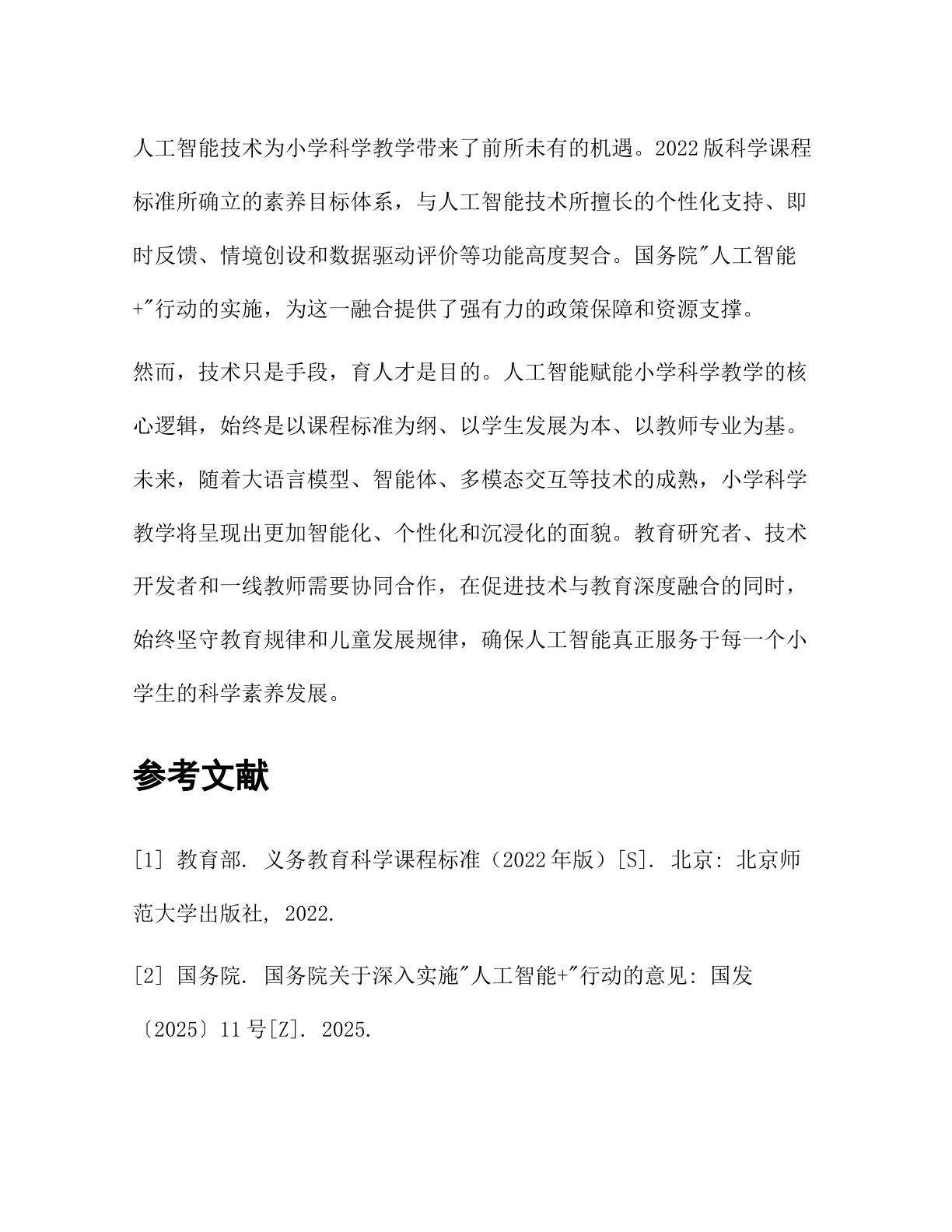
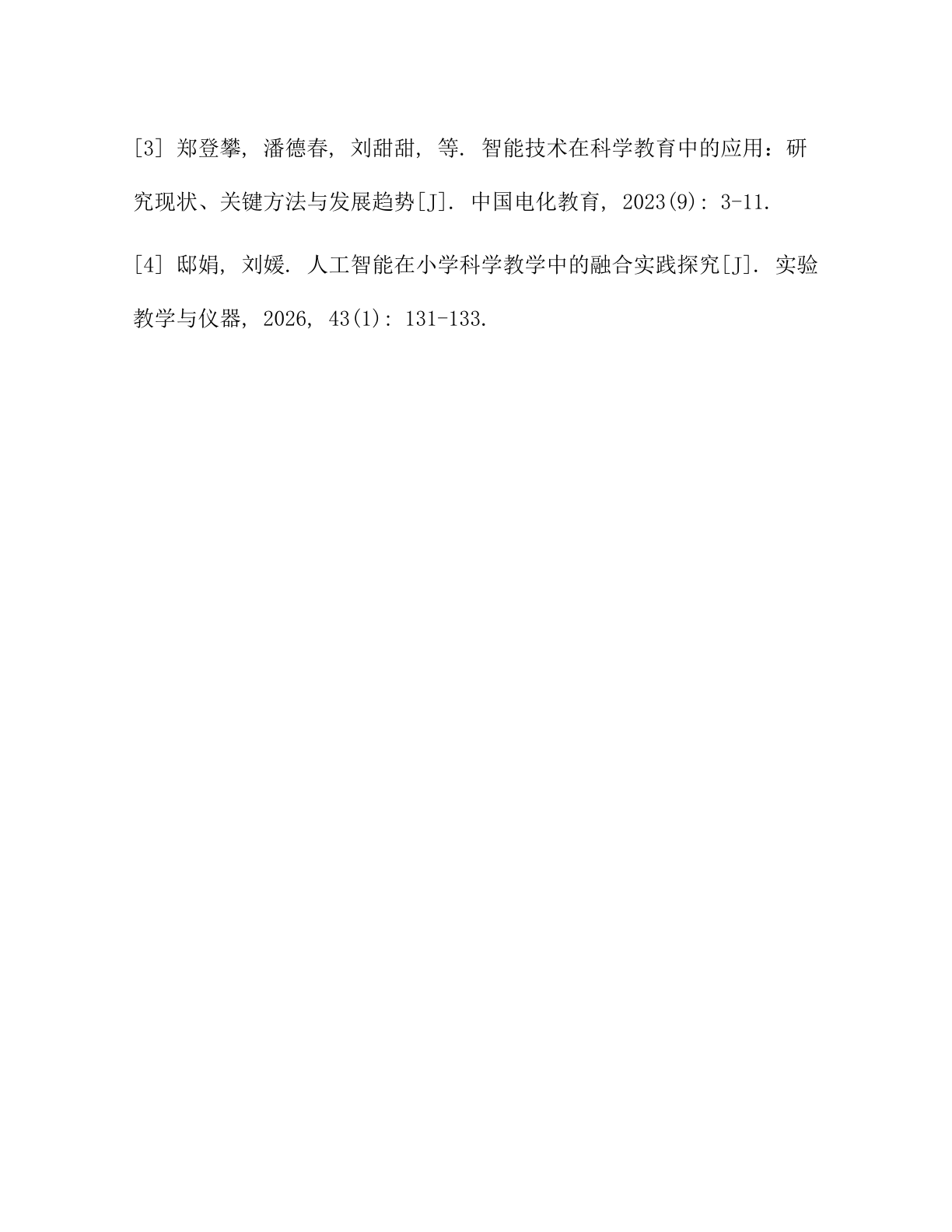
⚡ Previous version 1.7.8 sample: PDF original text shown page by page
This paper is an artificial intelligence industry paper generated from the complete practice before revision 1.7.8. Below, five pages are displayed in the original standalone PDF order, including the abstract, main text, data table, conclusion, and five references. The page 5 has a continued page and a blank space. Each image is directly rendered from the original PDF, with no changes to page margins, font size, line spacing, or page breaks.
This PDF does not have two characters in the first line indentation. The page does not contain obvious garbled text, overlaps, or cropped boundaries, but the paragraph style in the main text still needs adjustment. 1.7.9 The full paper on the same topic has been run separately, and the result is immediately following the next section; The old original is preserved here for easy comparison with the paragraph effect before and after the restoration.
The original manuscript still had issues with citation order, source support, and original coverage, and the final independent review was not completed. This old AI industry manuscript has the same title as the latest manuscript, but the operating conditions have changed; The title of the early elementary science manuscript is also different, so the change in page count cannot be regarded as a strict speed increase or quality improvement rate.
PDF originals retain the full text and original layout, allowing you to enlarge and view them on your computer; Articles are displayed by page, and images can be opened on mobile to view details.
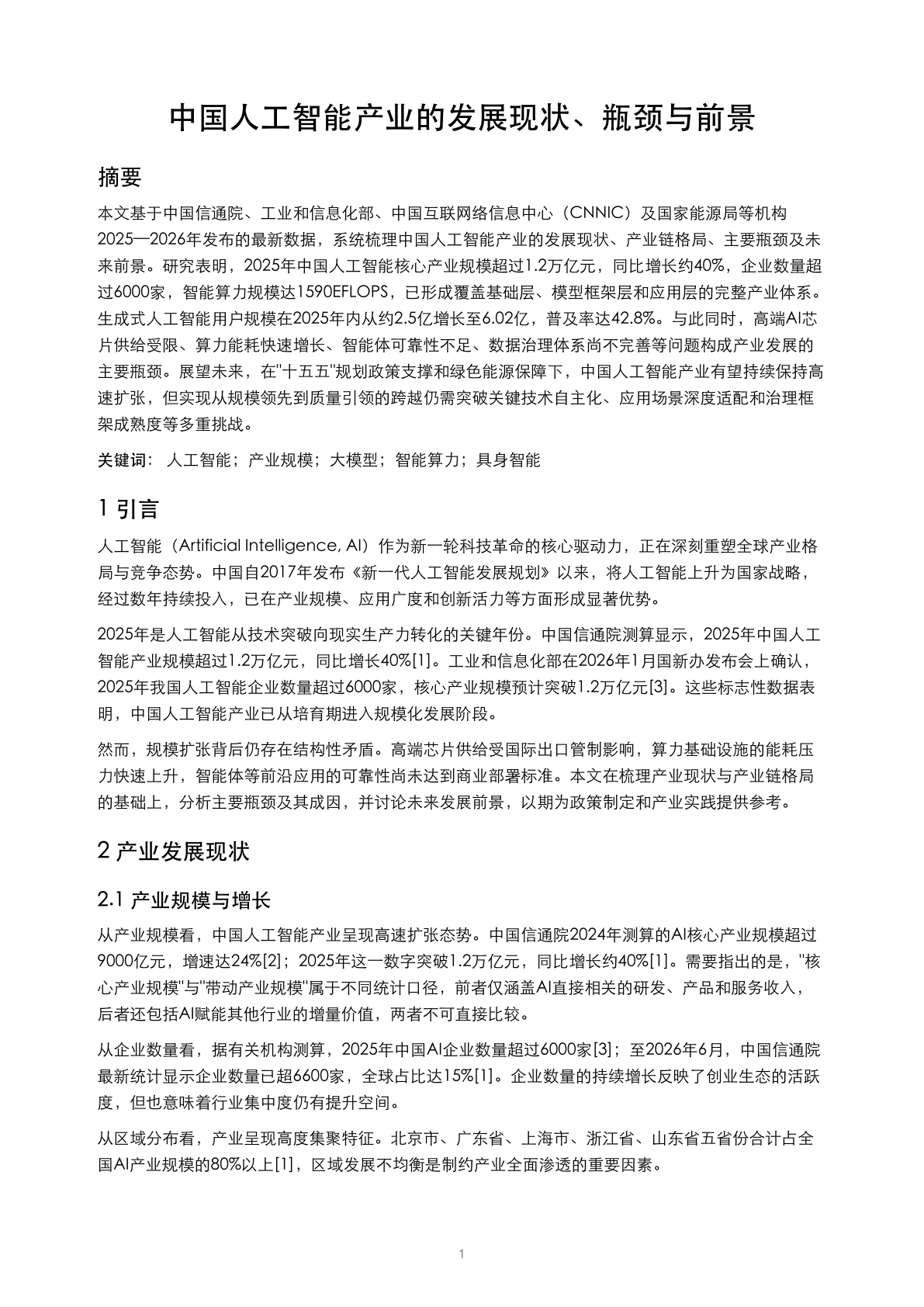
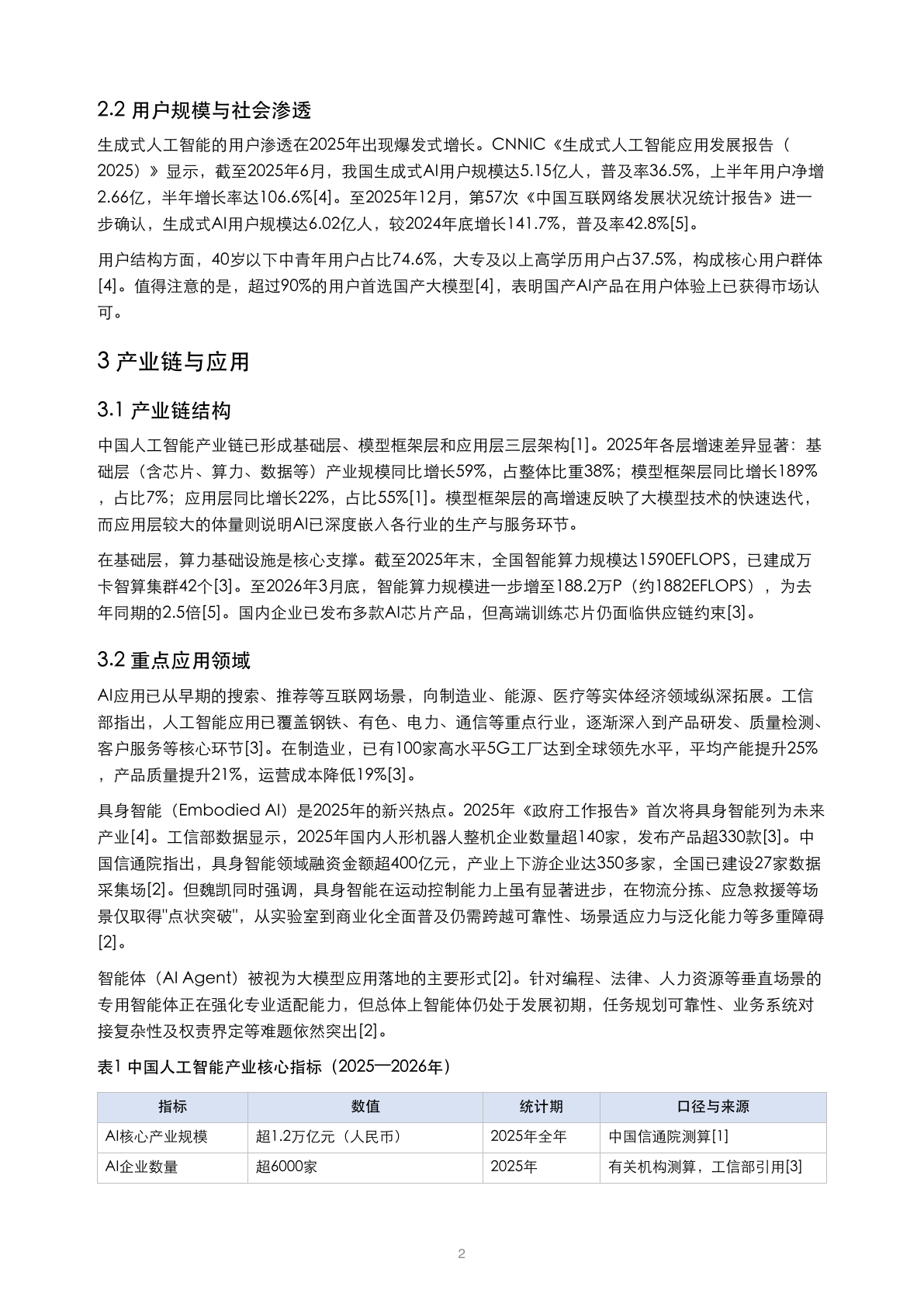
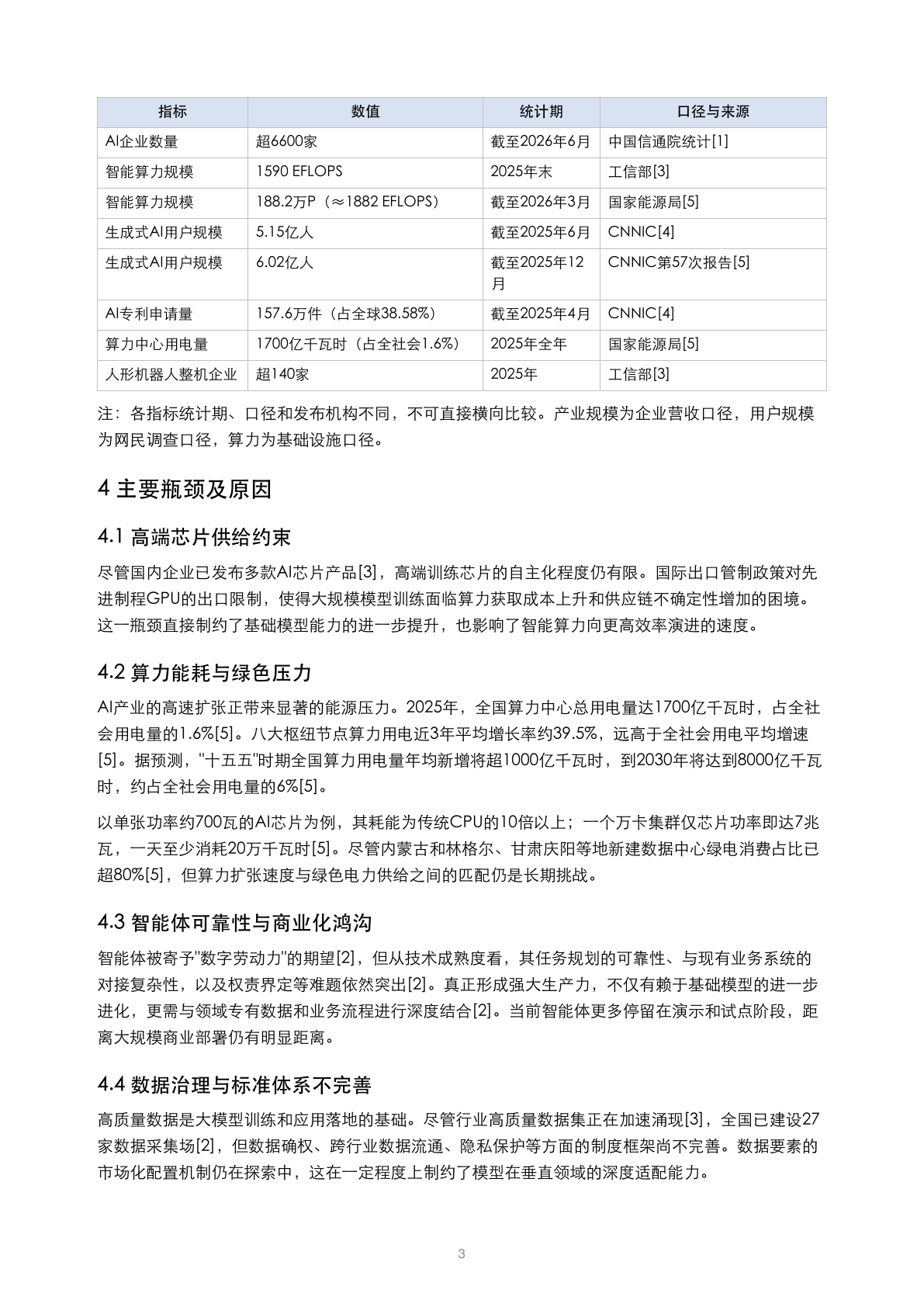
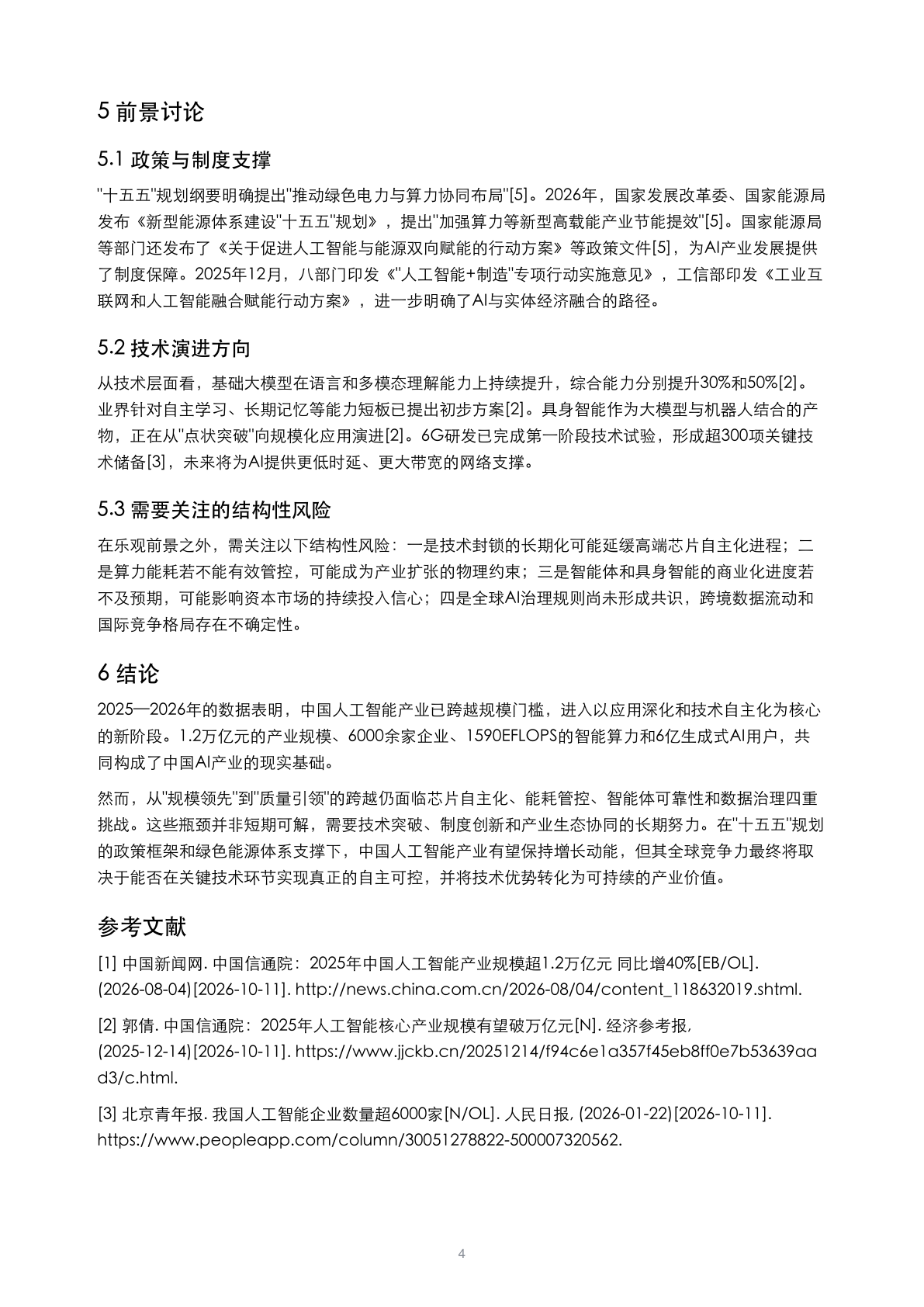

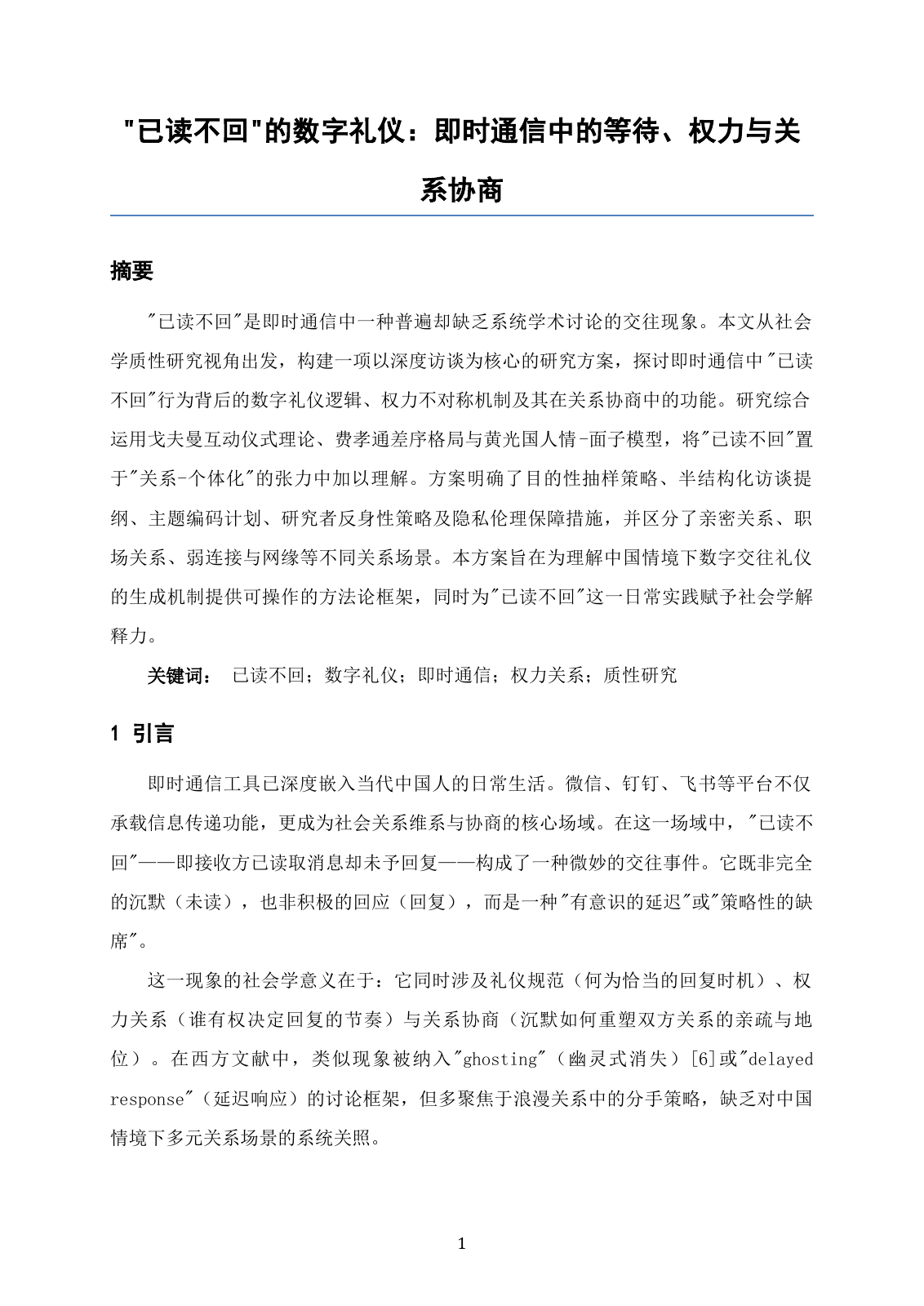
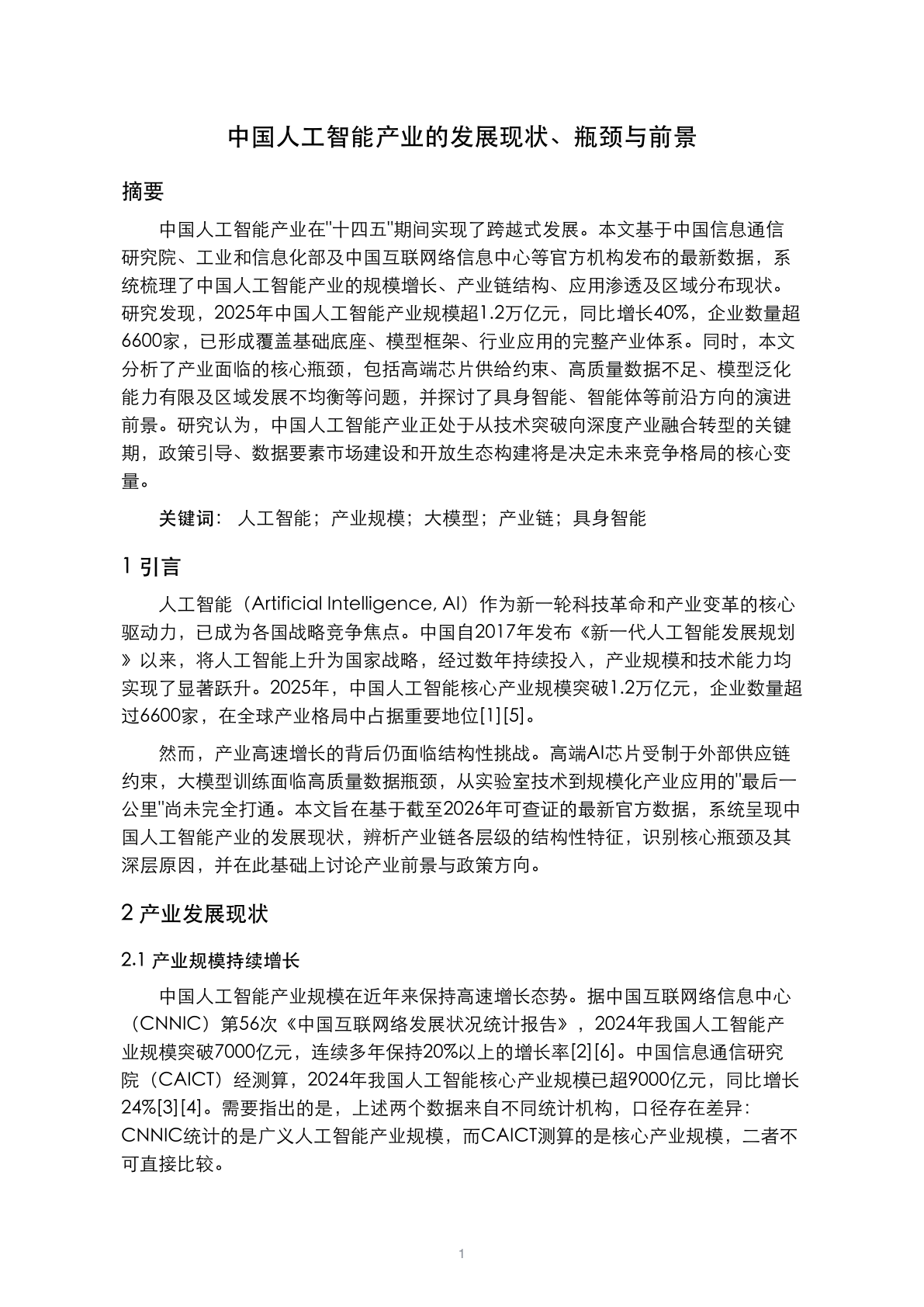
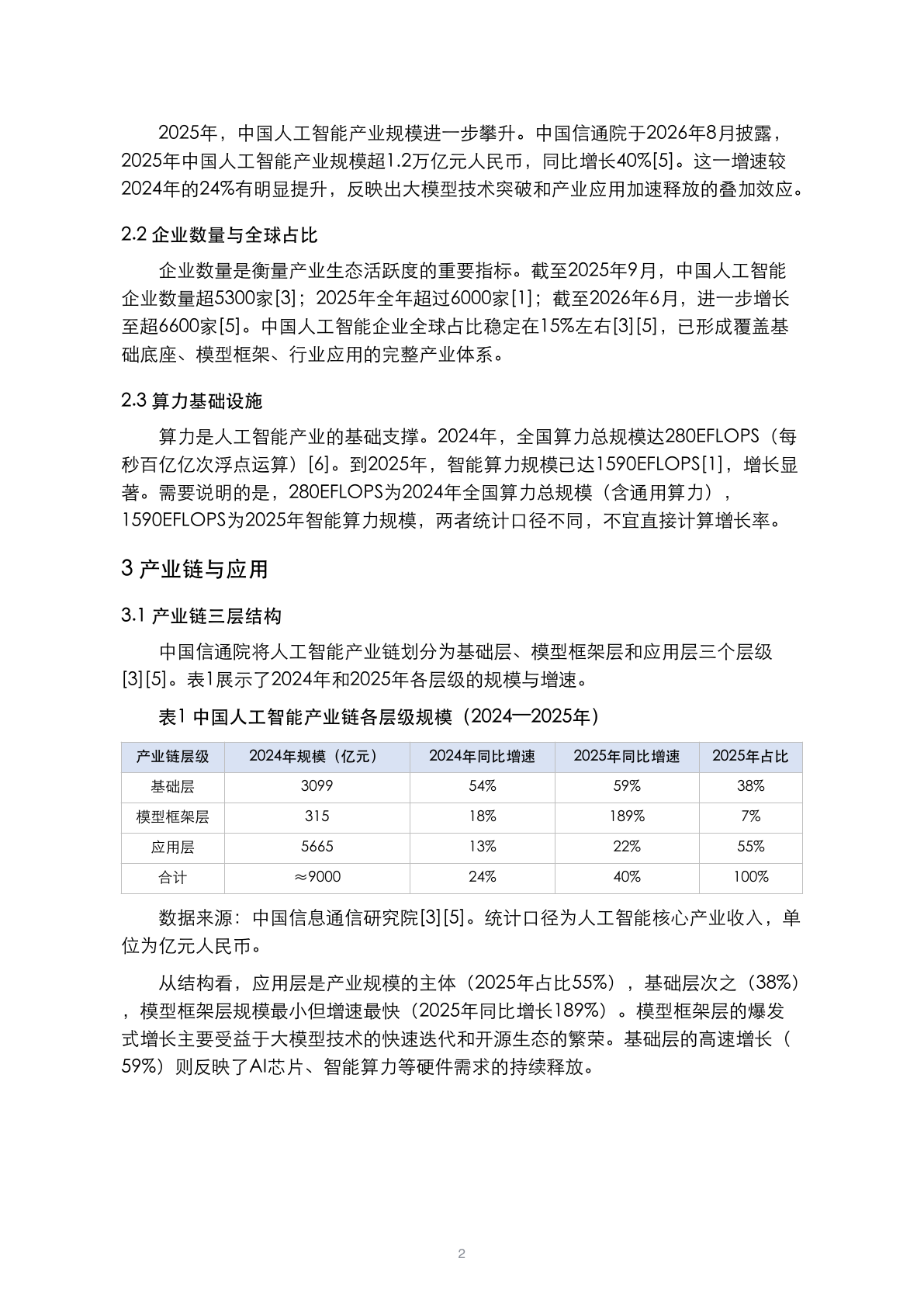
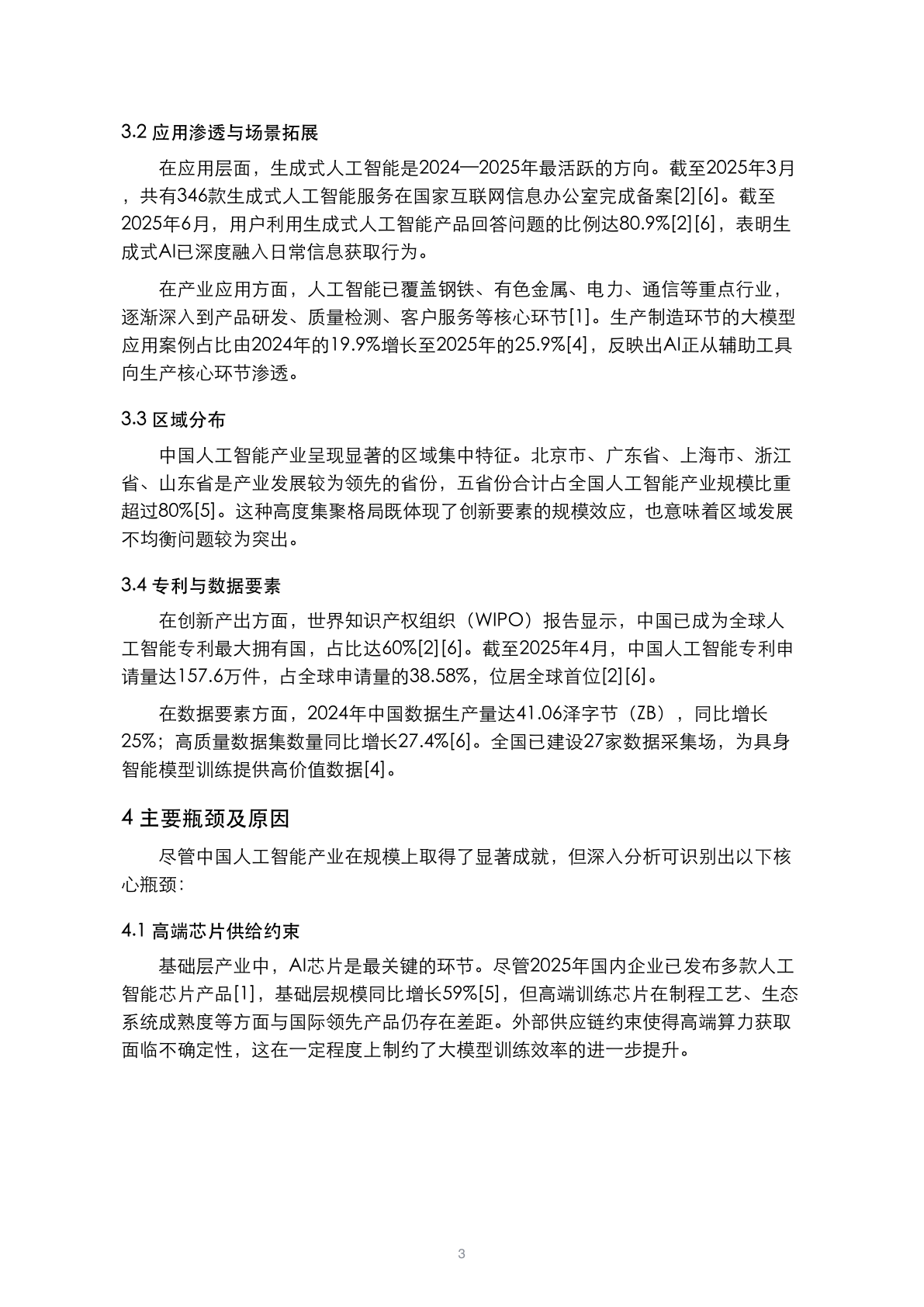
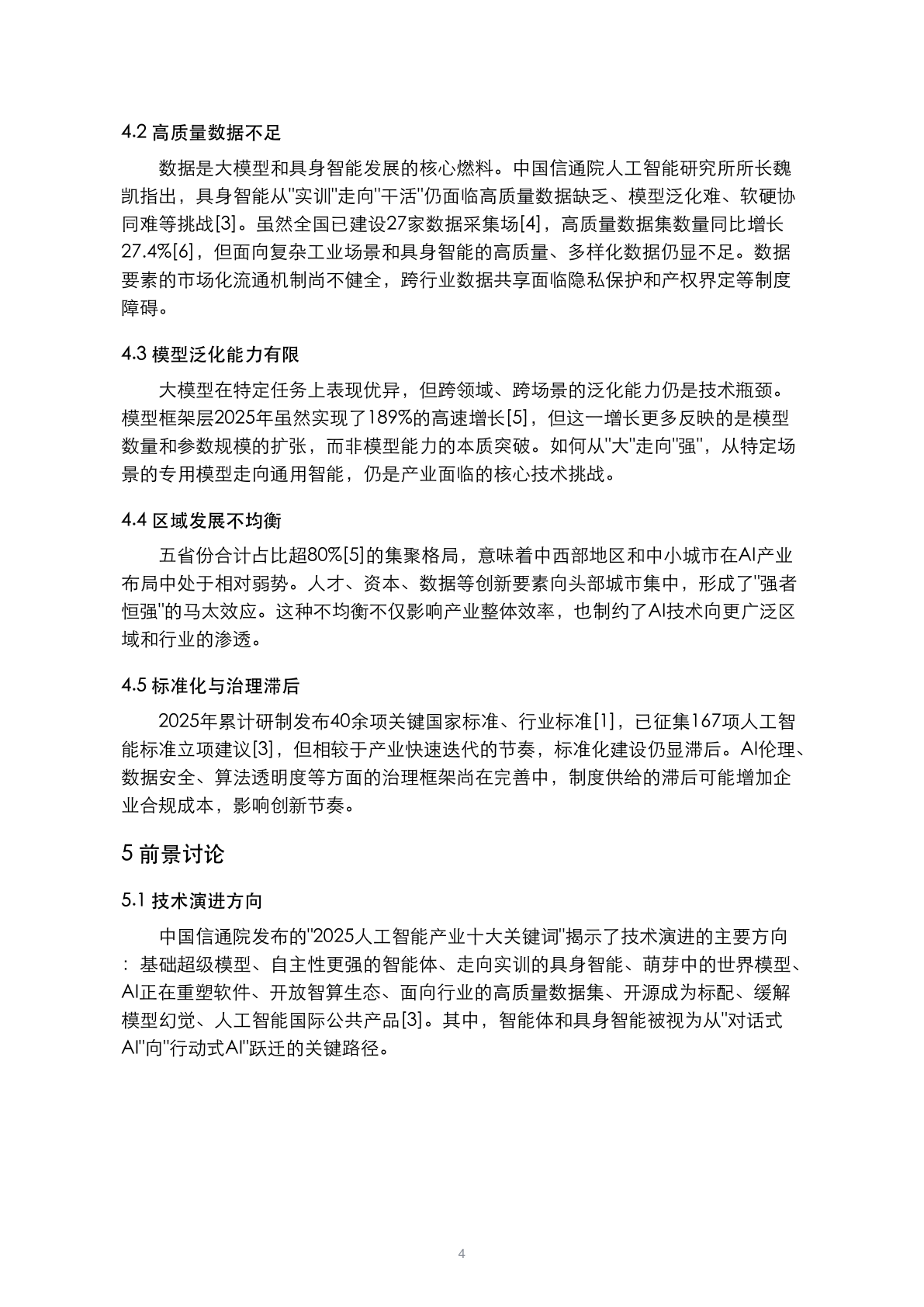
💰 Finally, a sample is shown: 1.7.9 Full Paper PDF Original
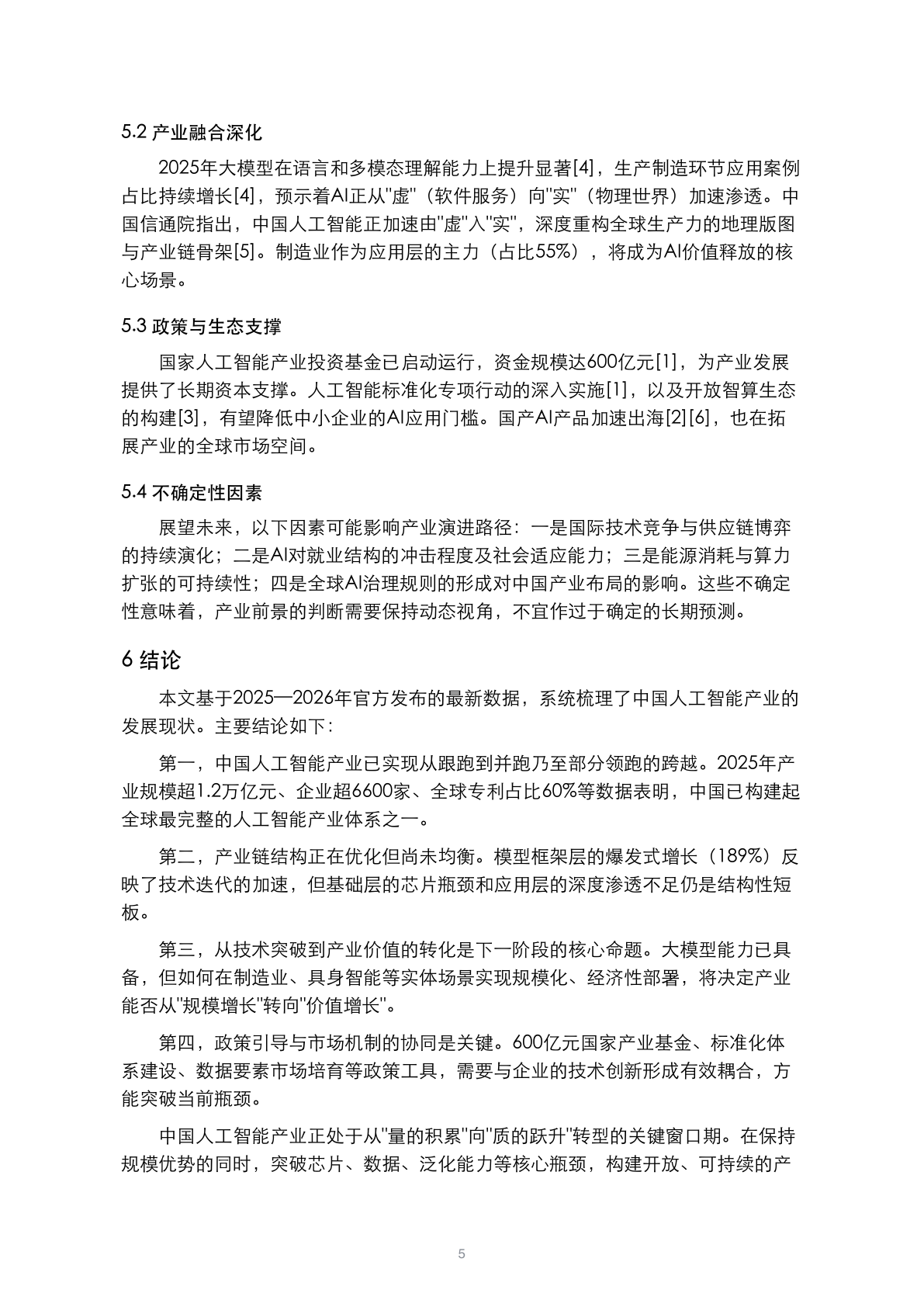
This is the original PDF of the official installation version 1.7.9 redoing the same task. Still using the same 27B model, low thinking, and original parameters, it naturally ended after 21 minutes and 34 seconds; Out of 35 tool calls, 8 failed, and all 21 model requests returned completely, including one independent review of actual execution.
The main text includes titles and tables with 3,055 Chinese characters, 292 abstracts, 5 keywords, and 6 references at the end. The 26 longer main text paragraphs in both Word and PDF are indented by two characters; the PDF text is 12 arcs long, with 18 arcs of line spacing; Word renders 8 pages, matching the Chinese character content order of this 6-page standalone PDF.
The specific issues with this manuscript are: the first citation order is 1, 5, 2, 6, 3, and 4, the three official original sources are not obtained, the explanation of the statistical criteria lacks direct basis, and the abstract and introduction merge the number of companies in June 2026 into the 2025 narrative; Pages 1 to 4 still retain four line header punctuation marks.
Independent review has been performed, but returns missing finished product positioning, and only covers three main text fragments, not the entire paper. Below is the full 6 pages of the original manuscript, including the conclusion on page 5 and the references on page 6, preserving the original text and original layout.

🧩 Now is the right time to use it
I regard this round of results as the foundation for delivering local research assistants: the model is responsible for organizing tasks and drafting, the tools are responsible for generating and reading real files, and the program is responsible for timing, execution boundaries, evidence recording, and checking status. For data organization, initial reports, draft proposals, and editable documents, there are already actual products available for display.
To submit serious papers, manual verification of original sources, data criteria, citation support relationships, and argumentation is still required. This round of model issues has stopped to be corrected; this time, the final round of existing products is presented, with no additional test runs or quantitative acceleration of the entire paper. Keeping process records allows us to determine what improvements the new changes actually made later.
Mac 1.7.9 has been officially packaged and installed, and the public download byte and update package signatures have been verified. The new cloud build for Windows and Linux has not started; the manual installation package remains 1.7.6, and the Linux automatic update list remains 1.7.2. Please check the version by platform when downloading; Mac packages have not yet been notarized by Apple.
Latest version download: LocalBrain download page.
Detailed acceptance scope: 1.7.9 Issuance acceptance.
When recording, I first open the actual document, then display the corresponding check results and previous task status. Viewers can see what has already been generated and know what checks it has undergone. The most useful advancement for this upgrade is these specific capabilities: time is based on time, waiting has boundaries, documents can be edited, errors are recorded, and checks can correspond to the current file.
Self-made software
Versions, changes and supported installers all come from the same public release records.
HyphenBox
A free model API radar and local router, with ongoing availability checks and keys kept on your device.
View public downloads and updates ↗ScreenLex
Turn subtitles from your own films and shows into an English vocabulary library, entirely offline.
View public downloads and updates ↗HyphenScreen
Screen recording and editing with a Resolve-style timeline, automatic redaction and pre-export checks.
View public downloads and updates ↗Late nights and burned API credits went in,a cup of tea comes back out — only if you feel like it.
Scan with WeChatPress and hold to save the image, then open it from your album in WeChat Scan




Comments
Loading comments…